
Have you ever felt overwhelmed by all the notes and information you collect? You’re not alone. Most people struggle to make sense of what they jot down. This is especially true when they can’t find what they need when they need it.
What if I told you there’s a way to organize your notes so that they work for you instead of the other way around? That’s the goal of the Second Brain Code, which helps you turn your notes into a knowledge management system. This guide will help you get started on the second brain code and show you how to use AI to make notes and manage them effectively.
One of the best tools for achieving your second brain code goals is Constella’s AI notes manager. This powerful application helps you quickly and efficiently organize your notes to retrieve them instantly and return to work.
Benefits of Second Brain

Achieve Your Goals Faster With a Second Brain
With a second brain, completing projects and goals becomes more manageable. When your mind struggles to remember trivial details, getting anything done is difficult. By organizing your knowledge outside your head, you free yourself to execute more effectively in the moment.
Suddenly, you can spin up and complete your projects far faster because you’re starting with a collection of valuable material and reusing work you’ve already performed instead of a blank page. Your creative confidence will be released as you steadily accomplish your goals, allowing you to take on even more significant challenges.
Bolster Your Creative Process
Having a second brain can help you establish a creative process that reliably allows you to produce your best work. We live in an economy driven by creativity, yet creativity is unpredictable and mysterious for many people.
Immersing ourselves in a pool of wealthy triggers, associations, questions, and ideas we’ve collected over time, we can more reliably spark our inspiration and creativity when we most need it. A second brain is the home of your creative process, a series of habits and routines for consistently publishing your work without overthinking it or being too perfectionistic.
Transform Your Knowledge Into Income
Consider being able to turn your knowledge into income and opportunities. We live in the most incredible entrepreneurship age the world has ever seen. Publishing your expertise in small bits online makes finding an audience, gaining a following, and even creating new income streams easier. Whether this becomes a business or a hobby, you’ll find countless new opportunities and career options. With all your best ideas, insights, and research, you can ride the wave of a rapidly expanding knowledge-based economy.
Enhance Your Thinking and Uncover Unexpected Patterns
A second brain can enhance your thinking and uncover unexpected patterns and connections between ideas. In a knowledge economy, your career trajectory depends a lot on the quality of your thinking. Instead of always trying to think of something brilliant on the spot, you can collect the best stories, images, observations, anecdotes, and metaphors in one central place, priming your imagination and revealing connections between ideas. Recognizing the larger patterns in what is happening allows you to see trends no one sees and identify opportunities before anyone else.
Reduce Stress, Information Overload, and Fear of Missing Out
The amount of information we are now expected to consume and keep track of is staggering. By outsourcing the job of remembering to an external tool, we gain the peace of mind of knowing exactly what to do with each piece of incoming information and the confidence that it will never be forgotten.
We can better manage our fears and anxieties by removing them from our heads and planning to address them. By expertly curating and managing your personal information stream, you can make sense of the enormous volume of information you encounter daily and transform information overload into a clear mind.
Develop Valuable Expertise and Credibility
Your greatest asset is the knowledge you’ve gained through your experience. But you'll be chained to a desk until others can access that knowledge without taking your time. Making your knowledge tangible has the great potential to free you to spend your life as you want while still providing value to others. By cultivating a collection of knowledge that belongs to you and that you take from job to job, an economy of frequent job changes becomes an opportunity for learning instead of a threat.
Unlock the Full Value of Learning Resources
We are living through an explosion of online learning resources. Online courses, webinars, books, articles, forums, podcasts, and other content offer us priceless knowledge for free or at affordable prices. But without a way to break this knowledge into smaller pieces and store it until we need it, all this learning can feel like a waste of time and money.
A second brain helps you take control of your learning by filtering and curating the most valuable bits you encounter and saving them in a searchable format. Reading and learning become more enjoyable and effective when we know that every potentially useful idea is being preserved.
Related Reading
- How to Build a Second Brain
- Tiago Forte Code
- Second Brain Notion Template
- Roam Research vs Obsidian
- Notion vs GoodNotes
11 Best Real-Life Second Brain Examples
1. Constella: The Next Level of Note-Taking
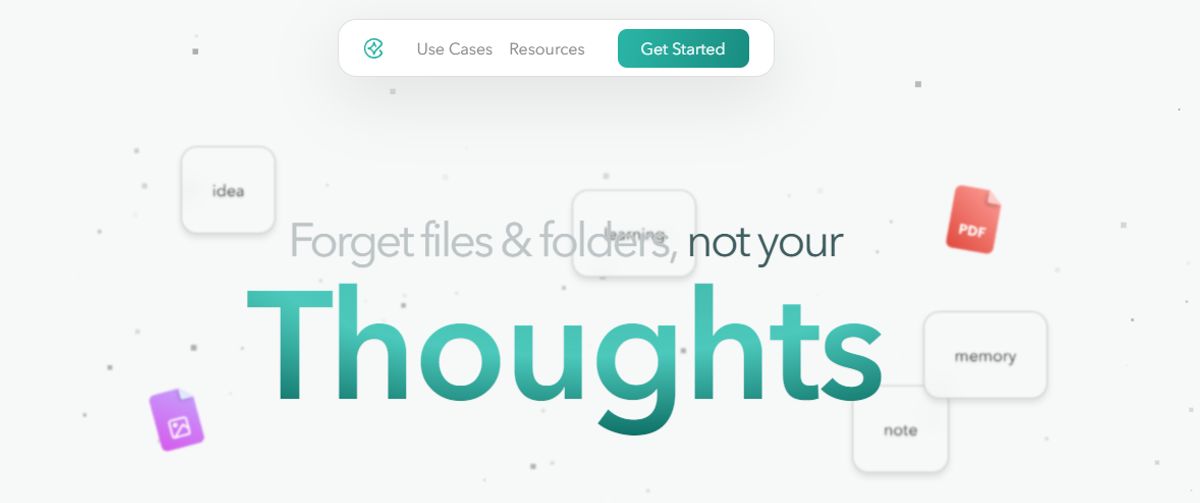
Constella completely transforms note-taking with an infinite canvas that allows you to capture and connect ideas smoothly without limits. The software is powered by an AI search, making it easy to find information instantly. Whether you’re a researcher looking to draw connections across multiple papers or want an easier way to organize your thoughts and files, Constella’s AI assistant helps you build and navigate your knowledge base without the constraints of traditional folder structures.
Busy knowledge workers and researchers limited by conventional note-taking tools will love how Constella transforms how they capture, find, and connect their ideas. Research 10 times faster with Constella’s AI notes manager.
2. Tiago Forte and Building a Second Brain

Tiago Forte is a productivity expert known for creating a second brain. His approach leverages digital tools like Evernote, Notion, and Todoist to store and organize knowledge. This system lets him offload mental clutter and focus on creative and high-priority tasks.
3. David Allen’s Getting Things Done

David Allen, the creator of the GTD method, advocates for a second-brain approach. His system captures everything from tasks to ideas in external systems (physical or digital), helping users stay organized and clear-headed.
4. Shane Parrish’s Farnam Street
Shane Parrish uses his second brain concept for decision-making and learning. He compiles insights, books, articles, and notes through tools like Notion to continuously improve his critical thinking and intellectual processes.
5. August Bradley’s Notion System
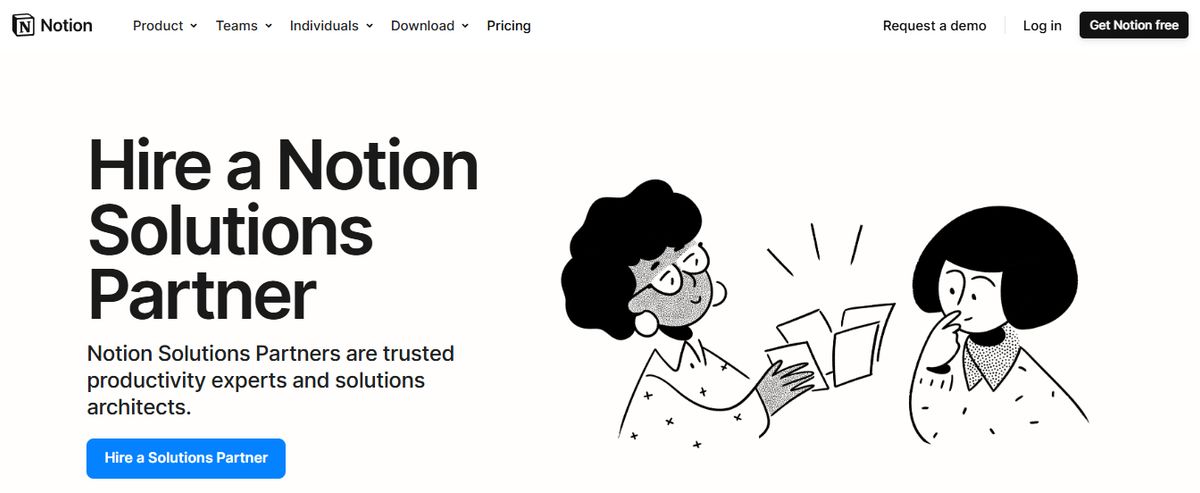
August Bradley is known for his highly organized Notion system, which functions as his second brain. He organizes his life, work, and projects into a central hub, maximizing productivity and clarity.
6. Ali Abdaal: Productivity YouTuber
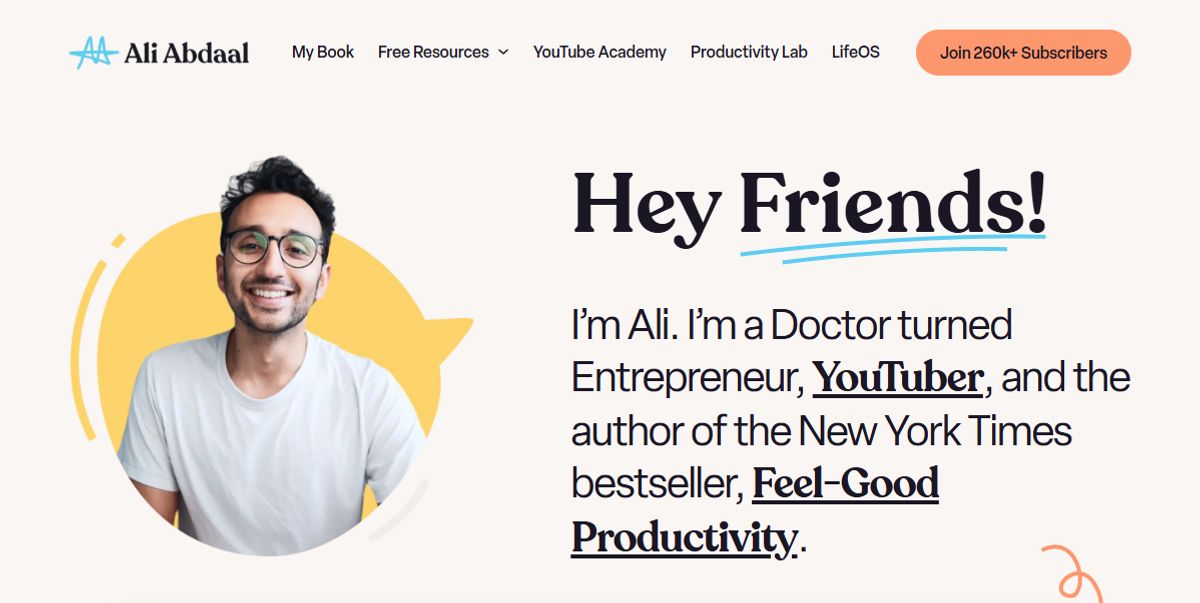
Ali Abdaal, a productivity YouTuber and doctor, uses a combination of Notion, Google Docs, and Roam Research to build his second brain. This system helps him streamline content creation, study methods, and personal development efforts.
7. Nat Eliason’s Personal Knowledge Management

Nat Eliason manages his knowledge base using tools like Notion, Roam Research, and Evernote. He focuses on self-improvement, business strategy, and continuous learning. His second brain allows him to apply this knowledge to various projects.
8. Nick Milo’s Second Brain Coaching

Nick Milo specializes in teaching people how to use second brains for learning and productivity. He encourages using tools like Obsidian to store and connect notes and ideas, making it easier to recall information when needed.
9. Building a Second Brain Community
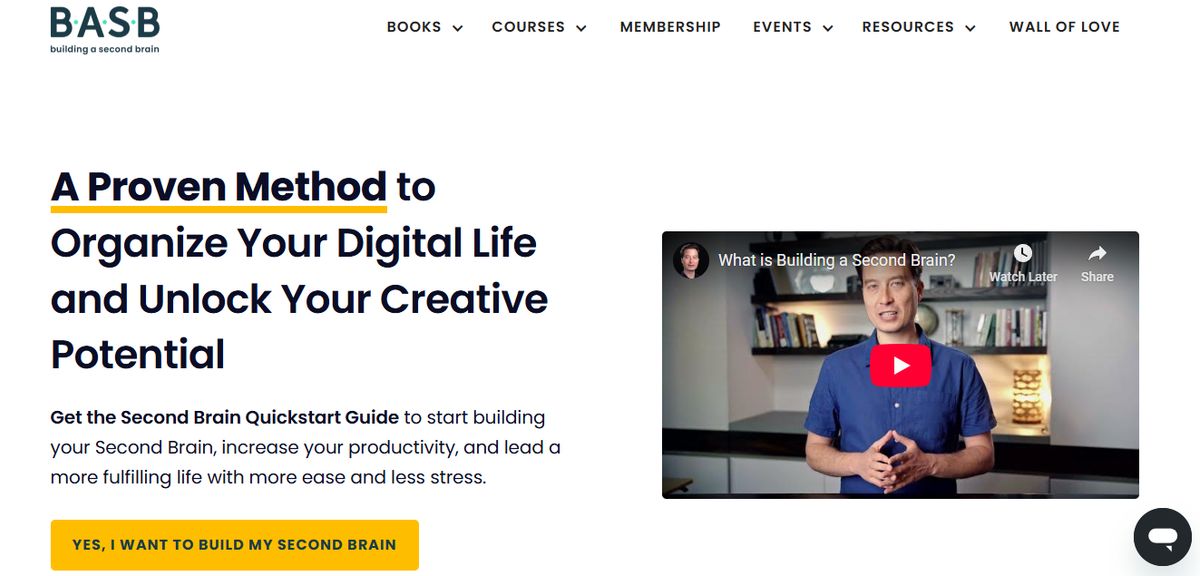
The community surrounding Tiago Forte’s Building a Second Brain course consists of many real-world examples where individuals have created powerful second brains using tools like Notion, Evernote, and Roam. Participants often share workflows for personal, professional, and creative tasks.
10. Ryan Holiday’s Stoic Philosophy

Ryan Holiday, author of The Daily Stoic, builds his second brain by writing down thoughts, readings, and reflections on philosophy. His personal knowledge management system helps him grow in his understanding of Stoicism and apply it to daily life.
11. Barbara Oakley’s Learning How to Learn

Barbara Oakley, a professor and educator, has developed a second brain system through various methods for capturing and organizing learning materials. She uses digital note-taking and mind-mapping tools to enhance her ability to teach and learn effectively.
How to Build a Second Brain Easily

1. Leverage Constella for Your Second Brain
Constella reimagines note-taking with an infinite canvas that lets you capture and connect ideas effortlessly. Whether you're a researcher trying to draw connections across numerous papers or someone who wants a more intuitive way to organize your thoughts and files, Constella's AI assistant helps you build and navigate your knowledge base without the constraints of traditional folder structures.
Constella transforms how you capture, find, and connect your ideas, perfect for busy knowledge workers and researchers limited by conventional note-taking tools. Research 10 times faster with Constella's AI notes manager.
2. Determine What Information to Capture
Think about your Second Brain as an intimate commonplace book or journal. What do you most want to capture, learn, explore, or share? Identify two to three kinds of content you already value to get started.
3. Select a Capture Tool
I recommend starting with a read-later app such as Instapaper or Pocket to save any article or other online content you’re interested in for later consumption.
Believe me, this one step will forever change your thoughts about consuming content.
4. Organize Information with PARA
Set up the four folders of PARA (Projects; Areas; Resources; Archives) and, focusing on actionability, create a dedicated folder (or tag) for each of your currently active projects.
Focus on capturing notes related to those projects from this point forward.
5. Get Inspired by Identifying Your Twelve Favorite Problems
Make a list of your favorite problems, save it as a note, and revisit it whenever you need ideas for what to capture. Use these open-ended questions as a filter to decide which content is worth keeping.
6. Automatically Capture Your Ebook Highlights
Set up an integration to automatically send highlights from your reading apps (such as a read-later or ebook app) to your digital notes. Tools like Readwise or IFTTT make this easy.
7. Practice Progressive Summarization
Summarize a group of notes related to a project you’re currently working on using multiple layers of highlighting to see how it affects how you interact with those notes.
8. Experiment with Just One Intermediate Packet
Choose a project that might be vague, sprawling, or simply hard, and pick just one piece to work on—an Intermediate Packet. Maybe it is a business proposal, a chart, a run of show for an event, or key topics for a meeting with your boss. (Check this blog post for more examples of Intermediate Packets.)
Break the project down into smaller pieces, make a first pass at one of the pieces, and share it with at least one person to get feedback.
9. Make Progress on One Deliverable
Choose a project deliverable you’re responsible for and use any workflow and express techniques outlined here. See if you can make decisive progress using only the notes in your Second Brain.
These techniques are designed to help you execute your projects more effectively. They are standardized procedures to move faster, save your progress, and produce work of higher quality.
10. Schedule a Weekly Review
Put a weekly recurring meeting with yourself on your calendar to begin establishing the habit of conducting a Weekly Review.
To start, clear your notes inbox and decide on your priorities for the week. As your confidence grows, you can add other steps.
11. Assess Your Notetaking Proficiency
Evaluate your current note-taking practices and areas for improvement using our free Productivity Potential Quiz.
12. Join the PKM Community
Follow and subscribe to thought leaders on Twitter, LinkedIn, Substack, Medium, or your platform(s) of choice and join communities creating content related to personal knowledge management (#PKM), #SecondBrain, #BASB, or #toolsforthought.
Related Reading
- Roam Research Alternatives
- Amplenote vs Notion
- NotePlan Alternative
- Amplenote vs Obsidian
- Heptabase vs Obsidian
- Notion vs Evernote
Use Cases of the Second Brain

Level Up Your Memory and Recall with a Second Brain
We all forget things. Sometimes, it happens on the way to the car after an important meeting. Other times, it’s months later when you’re trying to recall vital details for a project or a test. A Second Brain can help with this. By systematically storing notes, ideas, and references, a Second Brain reduces cognitive load, making it easier to remember and access details when needed.
Get Organized with a Second Brain
A Second Brain helps you get organized. Tools like tags, folders, and databases help organize study materials and resources logically, ensuring systematic arrangement and quick retrieval.
Manage Projects Efficiently with a Second Brain
A Second Brain helps with project management, enabling efficient tracking and management of tasks, deadlines, and progress, facilitating better project execution.
Boost Creative Thinking with a Second Brain
By managing data efficiently, a Second Brain frees up mental space, allowing for more creative and strategic thinking. With a Second Brain, you can reduce the stress of handling information and let your creativity flow.
Support Personal Development with a Second Brain
Storing insights from books, articles, and reflections in a Second Brain supports continuous learning and personal growth.
Research 10 Times Faster with Constella
Constella reimagines note-taking with an infinite canvas that lets you capture and connect ideas effortlessly. Whether you're a researcher trying to draw connections across numerous papers or someone who wants a more intuitive way to organize your thoughts and files, Constella's AI assistant helps you build and navigate your knowledge base without the constraints of traditional folder structures.
Constella transforms how you capture, find, and connect your ideas, perfect for busy knowledge workers and researchers limited by conventional note-taking tools. Research 10 times faster with Constella's AI notes manager.
Related Reading
Want more insights like this?
Subscribe to get short productivity tips and useful summaries of new tools every week.
Want more insights like this?
Subscribe to get short productivity tips and useful summaries of new tools every week.