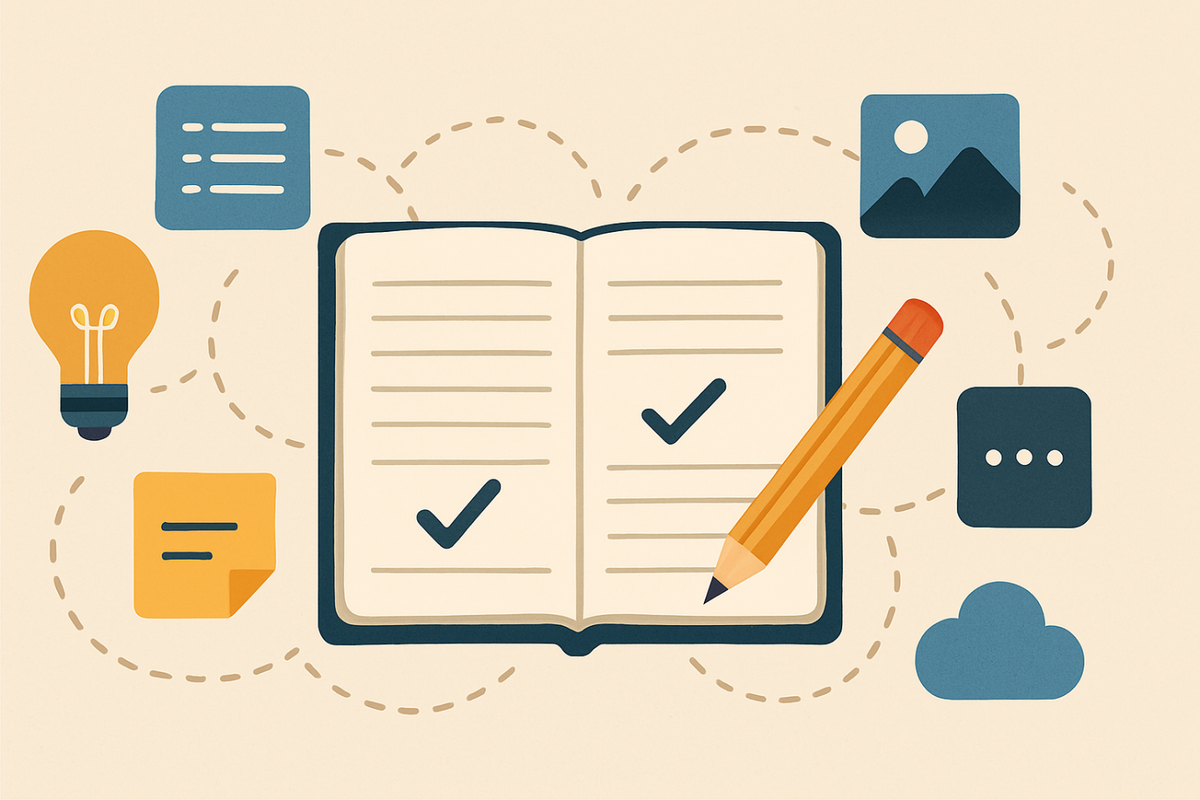
In a world of constant pings and endless to-do lists, it’s easy to lose track of what really matters. Imagine you’re drafting an email or flipping through a reflection journal, only to realize you forgot the core idea you wanted to share. Frustrating, right? That moment shows how unmanaged thoughts simply slip away.
Note-taking could be a simple fix for this. It’s not just about remembering things. It’s a tool for mental hygiene, like taking a shower for your brain. Whether you use a simple digital diary app or a powerful second brain app, the right system clears cognitive clutter and eases stress.
In this article, we will explore why your working memory needs backup, how a flexible system beats rigid to-do lists, and practical steps to build your own thought organizing system.
So now let’s dive into the main problem.
Why Your Brain Needs Help
Your working memory can hold only a few items at once. Yet every day, you juggle dozens of tasks, stray thoughts, and half-formed ideas. Consequently, your mind feels like a crowded inbox, cluttered and difficult to sort through.
Cognitive load describes this overload. For example, when you try to remember a meeting agenda, draft an email, and plan dinner all at once, your brain hits its limit. As a result, you miss details, feel stressed, and struggle to focus. Moreover, unmanaged thoughts can spin in loops. You might replay an idea in your head, then worry you’ll forget it before you can write it down.
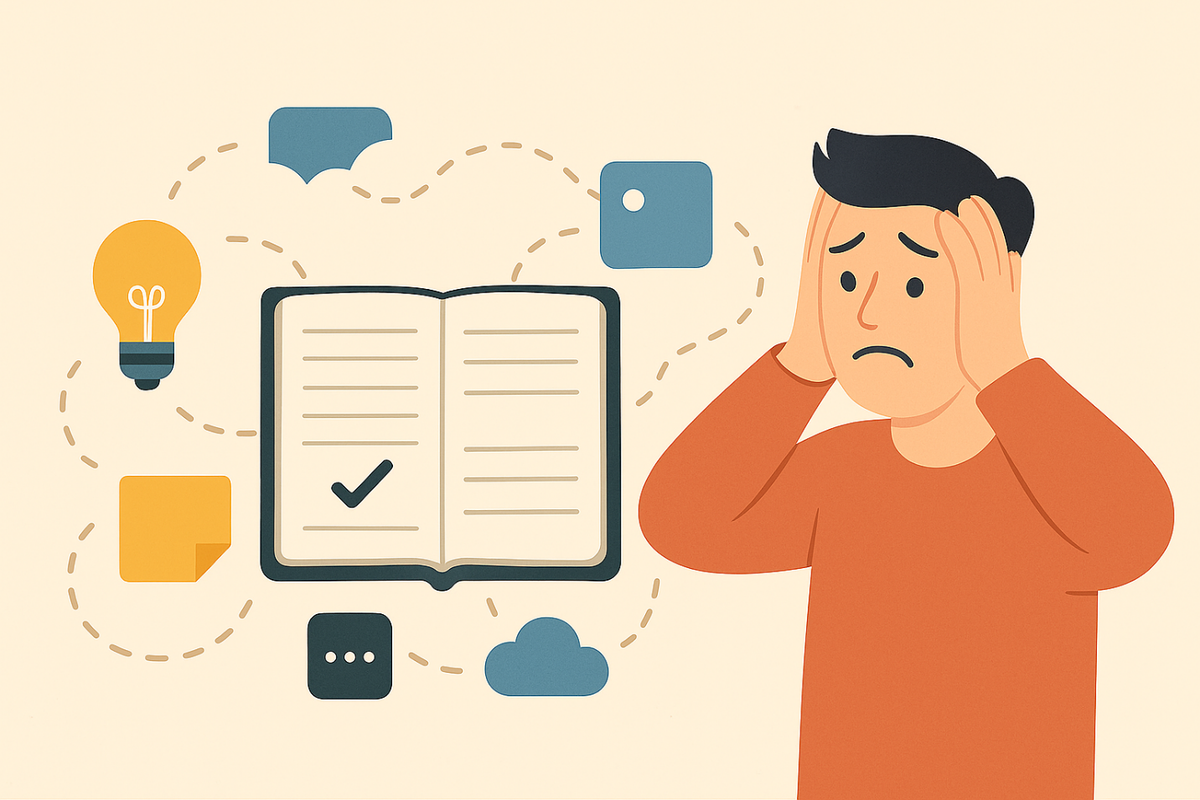
Researches show that offloading ideas into an external system frees up mental space. Whether you use a quick note app on Android or a full-featured digital diary app, capturing your thoughts can help reduce stress. A reflection journal or a second brain app acts like a temporary holding pen, so you no longer need to carry every detail in your head.
Next, let’s see how note-taking turns scattered thoughts into clear, actionable insights.
Note-Taking as Mental Hygiene
When your mind feels heavy, it’s rarely because of one big thought. It’s usually a hundred small ones circling in the background—unfinished ideas, random reminders, things you don’t want to forget but haven’t written down yet. Left on their own, they pile up until everything feels messy. That’s where note-taking comes in. It isn’t just about saving information so you can find it later. It’s about clearing mental space right now. When you write things down, especially using a note app, you’re building a system. It’s like sweeping your brain’s desk clean so you can focus on what’s actually in front of you.
A good note-taking setup acts like shelves for your thoughts. Instead of things floating around loose, each note has a place. Write an idea down, give it a tag or drop it in the right folder, and now it’s handled. You don’t have to carry it around in your head anymore. For example, say you’re trying to plan a trip, manage work projects, and remember grocery lists all at once. Without a system, you’re constantly switching gears. But with a note app, you can separate each thought into its own page, with checklists, images, or voice notes attached. You can find things quickly because of search tools and tags, not by scrolling endlessly or hoping you remember where you left them.
Technically, this is all about externalizing memory. Human brains are great for creative thinking, not so great for long-term storage. Notes handle the storage part. The clearer your notes, the less you have to keep in active memory. Apps help by making everything searchable. Some even connect notes together, so if you write “trip to Italy” in one note and “Venice hotels” in another, they link up automatically through tags or smart suggestions. That’s not something pen and paper can do easily. Plus, apps let you attach images, audio, or web links, which helps you capture things in whatever form they show up. No need to force everything into plain text.
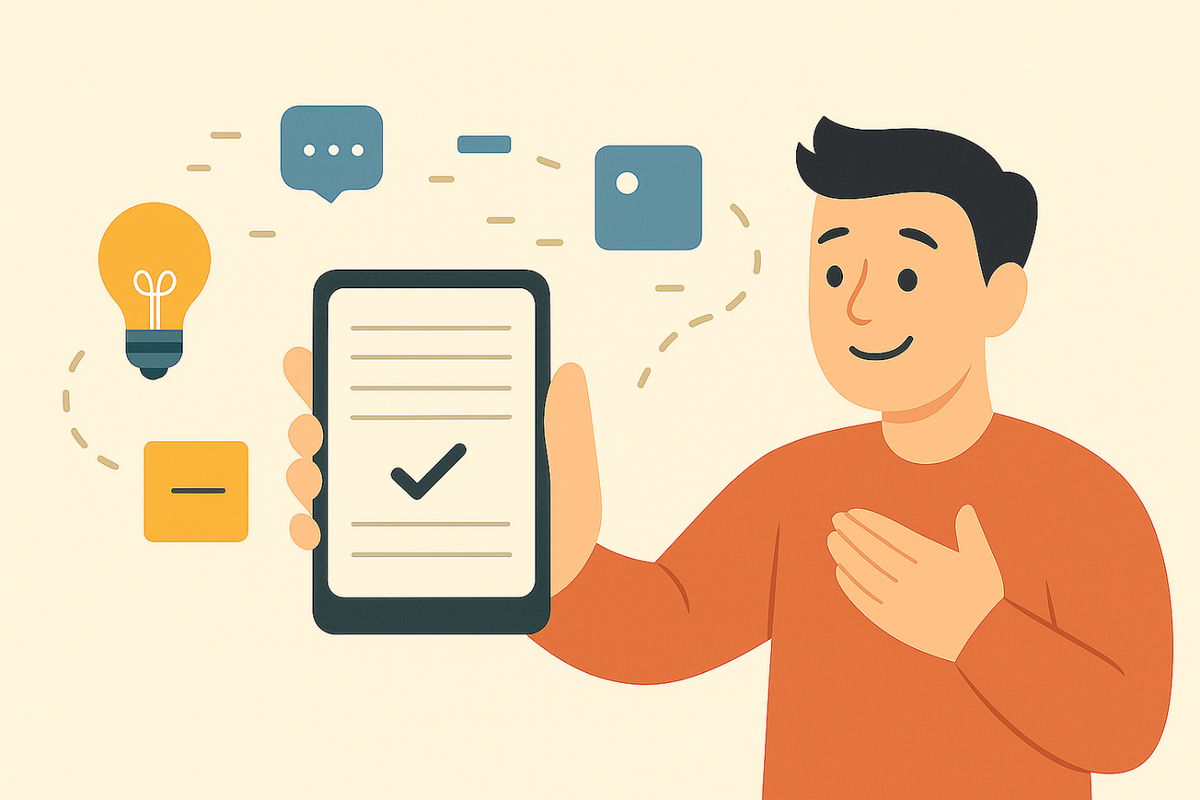
The point isn’t to collect random notes just for the sake of it. It’s about building a habit where your thoughts have a place to land. Once they’re stored, you don’t have to hold onto them. That’s what makes note-taking feel like mental hygiene. It clears up space, makes things easier to find later, and lowers the stress that comes from juggling too many things in your head at once. You end up thinking more clearly, because you’ve given your thoughts a proper system instead of leaving them scattered.
How to Start Building Your Mental System using Constella
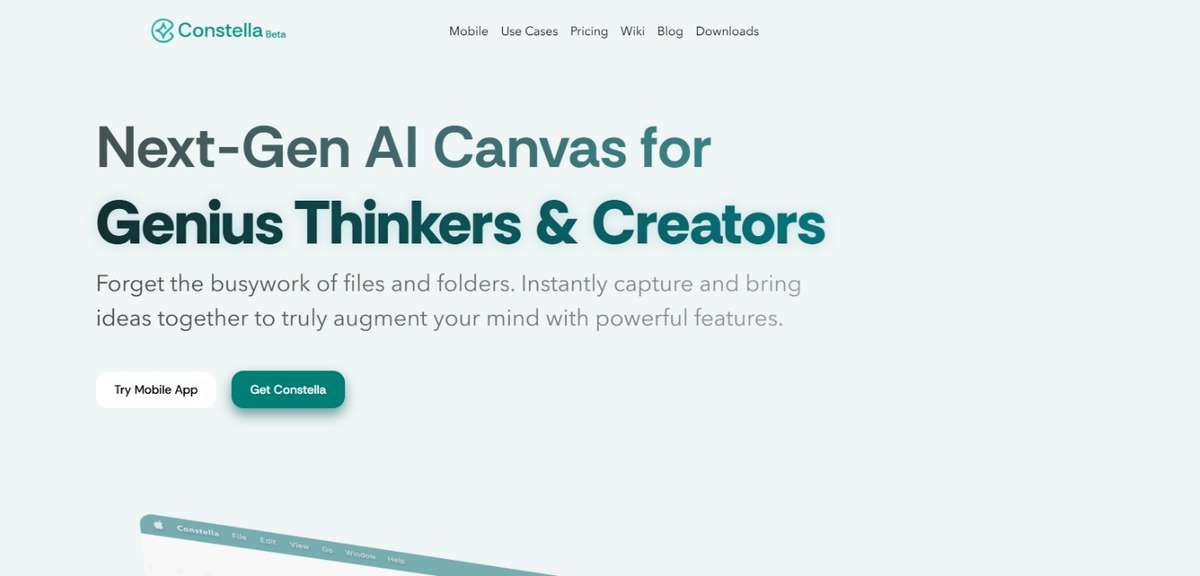
Constella is more than a diary app—it’s a second brain app built for clear thinking. Designed as a digital diary and reflection journal, it strikes a balance between a simple note app and a powerful AI notebook. Below is a step-by-step guide to set up your mental system in Constella.
-
Start Small: Capture Your Thoughts
Begin with one idea at a time. When a thought strikes, open Constella’s quick capture field—whether on your Android note app or the Windows version—and jot it down. No need for structure yet. Simply treat it like a personal diary entry. This practice trains your mind to trust the system, freeing mental space for focus. -
Explore Constella’s Features
Next, experiment with features that turn raw notes into a thought system:- Tags & Hashtags: Label entries with keywords (e.g., “project,” “idea,” or “reflection application”) to group related thoughts.
- Notebooks & Collections: Organize notes into folders—your research diary app or work diary app can live side by side.
- Linking & Backlinks: Connect ideas by linking entries to create a web of insights, much like a second brain AI would suggest.
- Full Text Search: Later, find any entry with a quick search—no more endless scrolling in your Note-taking app.
-
Follow the Capture > Organize > Reflect Flow
- Capture: Write freely in Constella’s simple editor, whether on an iPad diary app or a note app for Windows.
- Organize: At the end of each day, sort notes into relevant notebooks, add or refine tags, and link related ideas.
- Reflect: Weekly, revisit entries in your digital journaling app. Use the gallery or timeline view to spot patterns and insights.
By consistently following this flow, your note-taking app transforms into a true thought-organizing system and a valuable second brain. Over time, Constella becomes the backbone of your mental hygiene—your place to think, not just store information.
Conclusion
Ultimately, your thoughts deserve more than a jumble of sticky notes or scattered reminders. They need structure or a system that feels as natural as their own thought process. In this article, we’ve seen how working memory falters under cognitive load, why note taking acts like a mental shower, and what makes a system fast, frictionless, and flexible.
Moreover, without a reliable method, ideas slip away or loop endlessly, leading to stress and missed opportunities. Thankfully, a second brain app like Constella turns chaos into clarity.
To get started, capture a few thoughts today, organize them with tags or notebooks, and reflect on patterns each week. Your mind will thank you. Good luck building your own thought organizing workflow!
Want more insights like this?
Subscribe to get short productivity tips and useful summaries of new tools every week.
Want more insights like this?
Subscribe to get short productivity tips and useful summaries of new tools every week.