Turning raw notes into content is an essential skill in today's digital landscape. This transformation plays a crucial role in audience engagement, enabling you to present information in a way that resonates with your readers and meets their needs. Raw notes, when left unprocessed, often lack structure and clarity. By refining them into well-crafted content, you not only enhance readability but also ensure your message is effectively communicated.

Personal Knowledge Management (PKM) emerges as a vital framework in this process. PKM helps in organizing thoughts, ideas, and information systematically, making it easier to convert them into meaningful content. It supports the entire content creation process by allowing for better idea management and data retrieval.
By leveraging these strategies and tools, the journey from raw notes to brilliant content becomes more efficient and impactful. Whether you're a seasoned writer or just starting out, integrating PKM practices can significantly enhance your content creation efforts.
Personal Knowledge Management (PKM)
Personal Knowledge Management (PKM) is an important method for turning unorganized notes into well-organized, useful content. It involves consistently gathering, arranging, and using knowledge to boost personal efficiency and creativity. When it comes to creating content, PKM makes it easier to collect ideas, organize thoughts, and craft clear stories.

Key Parts of an Effective PKM System
A successful PKM system relies on several key elements:
- Collection: Gathering information from various sources such as articles, journals, and personal notes.
- Organization: Categorizing and tagging information to create an easily navigable repository.
- Synthesis: Analyzing and combining information to form new insights.
- Application: Using synthesized knowledge for decision-making or content creation.
By putting these parts into action, you can ensure that your PKM system goes beyond simply storing information and becomes an active tool for expanding your mind.
Strategic Steps for Transforming Raw Notes into Content
Tip 1: Clarify Content Strategy

The foundation of turning raw notes into compelling content lies in establishing a clear content strategy. This strategy acts as a roadmap, guiding the transformation process and ensuring that the final output aligns with your objectives. A well-defined content strategy considers several factors:
- **Content Goal: **What are you trying to achieve? Whether it's educational, persuasive, or entertaining, having a clear goal helps shape your content's tone and direction. Consider metrics for success, desired outcomes, and how the content fits into your broader objectives. Think about both short-term engagement and long-term value creation.
- **Audience Person: **Crafting a detailed audience persona is crucial. Who are you writing for? Understanding their job functions, seniority, and industry helps tailor the content to their specific needs. This step is vital for effective audience targeting strategies. Consider their pain points, aspirations, preferred content formats, and the specific value they seek from your content.
- **Content Distribution Channel: **Identify where your audience consumes content and how they prefer to engage with it. Different platforms may require different approaches to content presentation and formatting. This understanding helps optimize your content for maximum reach and impact.
Tip 2: Structuring Content, and Editing for Clarity and Engagement
Transforming raw notes into compelling content begins with effective transcription markup. By meticulously labeling transcripts with indicators such as key points, intro angles, and emotional highlights, you create a roadmap for impactful storytelling. This approach not only streamlines the writing process but also enhances the emotional resonance in your narrative, crucial for engaging readers.

Selecting the right moments from your transcripts is essential. Focus on segments that align with your content strategy and resonate with the identified audience persona throughout their buying journey. Prioritize impactful elements that can be woven into a cohesive narrative across various content formats — whether it's an article, a video script, or a podcast episode.
The editing phase is where clarity meets engagement. Implementing best practices in editing, such as improving articulation of quotes and contextualizing insights, ensures that your content is both readable and relatable. A well-structured piece reflects a deep understanding of your target audience's needs, enhancing the effectiveness of your content.
By mastering these techniques, you lay a solid foundation for turning raw notes into polished content that captivates and informs your audience.
Tip 3: Using Tags, Themes, and Iterative Analysis in Data Interpretation for Continuous Improvement
Turning raw notes into effective content requires a nuanced understanding of audience personas and their buying journey. Categorization plays a crucial role in this process, helping you identify patterns that can enhance your content strategy. By tagging raw data, you can uncover themes that resonate emotionally with your audience, ensuring the content aligns well with their needs.
1. Tagging Raw Data
Tagging involves assigning labels to segments of your transcripts or notes. These tags could be based on topics, emotional resonance in writing, or potential applications within different content formats. For instance, identifying key moments that highlight the pain points of your target audience enhances the relatability of your content.

2. Themes Identification
Once tagged, patterns begin to emerge from the data. These themes inform your content creation process by highlighting what resonates most with your audience, thus aiding in crafting a more targeted and impactful narrative.
Revisiting data after each session is crucial for refining insights. This iterative analysis not only ensures continuous improvement in content quality but also keeps your strategy aligned with evolving audience needs. Consistently applying effective editing techniques further helps in transforming raw notes into compelling, polished content. This approach underscores the significance of a comprehensive understanding of user research analysis in developing a robust content strategy tailored to your audience's journey.
Tip 4: Using Technology for Better Efficiency in Content Transformation Process
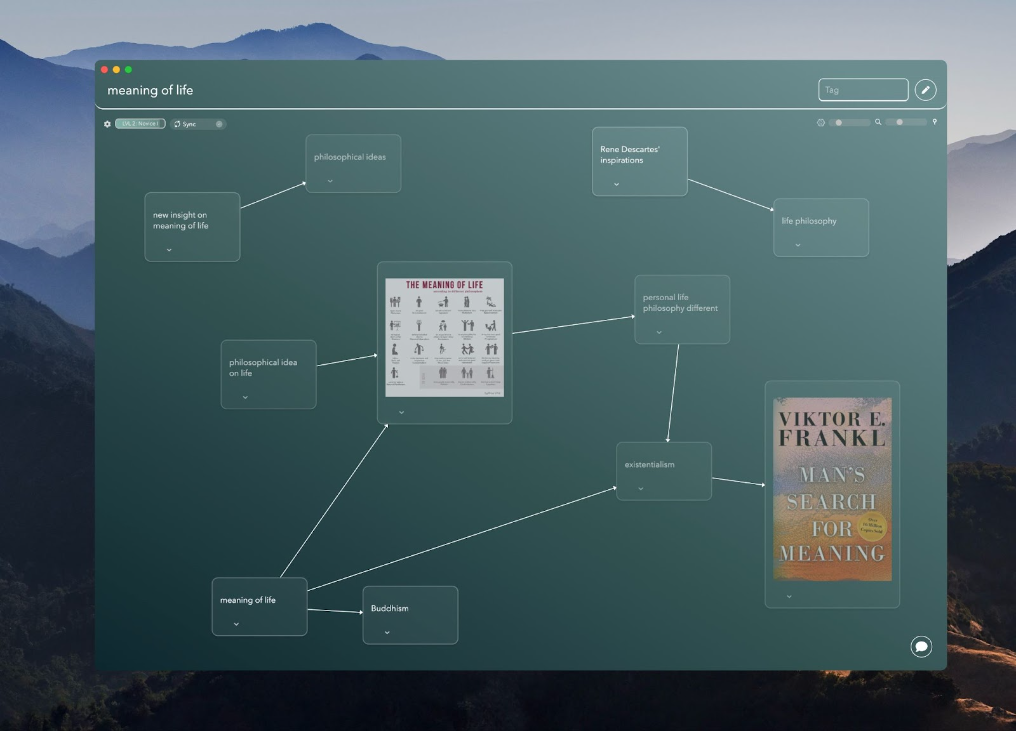
Incorporating technology into your content strategy can dramatically boost efficiency and depth. Tools like AI-powered mind mapping applications offer a streamlined approach to idea generation, enabling you to visualize connections between concepts effortlessly. This technological edge is crucial in turning raw notes into content that resonates with your audience persona.
Technological tools that are helpful:
Mind Mapping Capabilities: These tools help in organizing thoughts, allowing you to structure content formats efficiently. By visually mapping out ideas, you can ensure emotional resonance in writing, making your content more engaging.
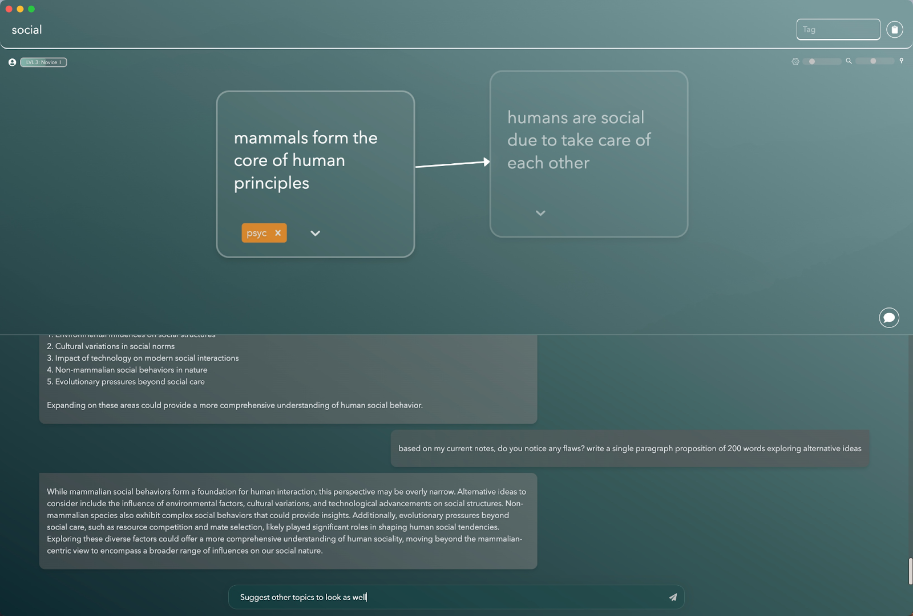
AI-Powered Capacity: Modern software solutions assist in refining notes by identifying key themes and patterns. This aids in editing best practices, ensuring clarity and coherence.
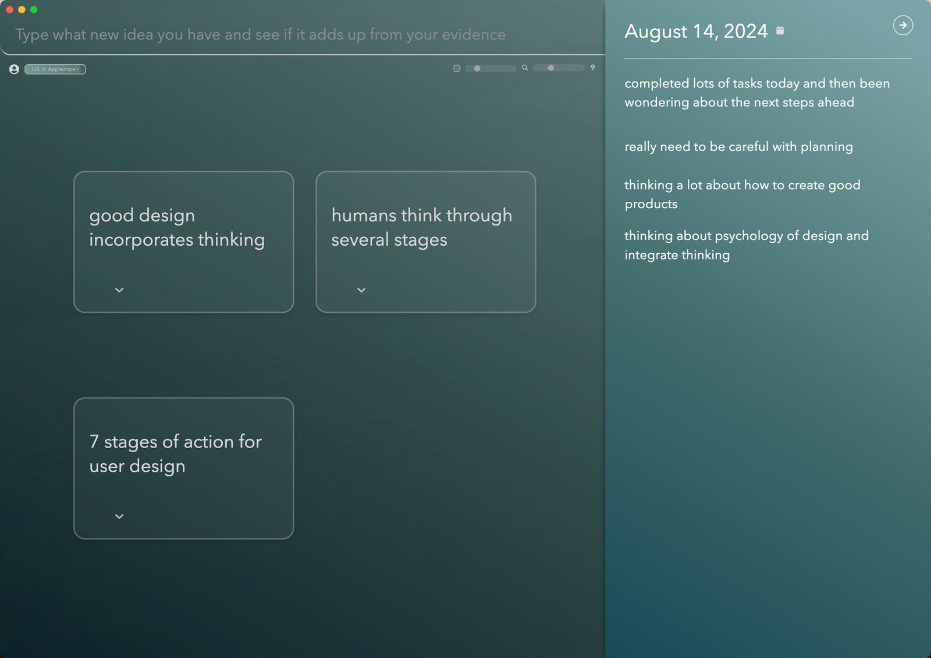
**Jotting View: **Designed for quick, on-the-go note-taking, this allows users to effortlessly capture fleeting ideas and inspirations. With a distraction-free interface, it supports rapid text input while automatically saving and categorizing entries, ensuring no thought is ever lost in the shuffle. Perfect for spontaneous creativity or sudden flashes of insight.
Finalizing Content for Audience Engagement
Creating a powerful introduction is crucial for capturing your audience's attention. To achieve emotional resonance in writing, consider opening with a story or anecdote that relates to the central theme of your content. This approach not only engages readers but also establishes a connection by appealing to their emotions and experiences. When crafting introductions, focus on these key elements:
- Hook: Start with an intriguing question or statement to pique curiosity.
- Relatability: Use scenarios or examples that resonate with the reader's personal or professional life.
- Value Proposition: Clearly outline what the reader will gain from continuing to read.
Writing conclusions that drive action is another essential component of content marketing best practices. Your conclusion should not merely summarize the content, but inspire readers to take the next step. Consider these strategies for effective conclusions:
- Call-to-Action (CTA): Encourage readers to apply what they've learned, subscribe, or engage with your brand.
- Reinforcement: Reiterate the core message and its relevance to the reader's needs.
- Encouragement: Motivate readers by highlighting potential outcomes or benefits they can achieve.
These techniques ensure your content resonates emotionally and leaves a lasting impression. By focusing on both beginnings and endings, you enhance overall engagement and effectiveness.
Challenges in Implementing These Strategies
Navigating the landscape of personal knowledge management (PKM) systems can present potential pitfalls. One of the common problems faced while utilizing PKM tools effectively is the overwhelm caused by the sheer volume of information. With multiple inputs from various sources, it becomes challenging to organize and prioritize content efficiently.
- Complexity and Learning Curve: Many PKM tools come with a steep learning curve, which can deter users from fully exploiting their capabilities. This complexity often results in underutilization or improper setup, leading to inefficiencies.
- Limitations in Approach: Certain approaches within PKM systems may not align with specific content transformation needs. For instance, rigid categorization can hinder the flexibility required for creative ideation, stifling innovation.
Balancing these aspects requires careful selection and adaptation of tools to fit individual workflows. Employing a trial-and-error methodology might help identify the most effective strategies for your unique requirements, ensuring that PKM systems enhance rather than impede your content creation process.
Conclusion
Using a structured approach to turn raw notes into polished content can greatly improve the quality and engagement of your final output. Each step in the process helps create content that connects with audiences and encourages them to take action.
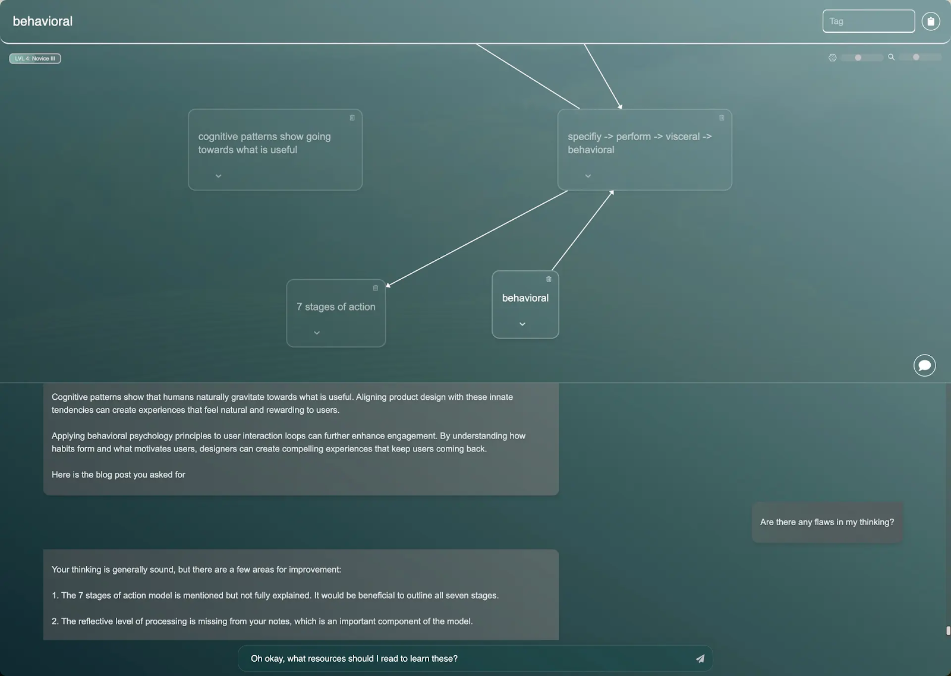
Constella.App stands out as a supportive tool for enhancing productivity and personal knowledge management. It offers features that make the content creation process easier, but like any tool, it may not fit perfectly into every workflow. Challenges such as integration with existing systems or adapting to unique content strategies can come up.
By adopting these strategies and utilizing tools like Constella.App, you can empower yourself to create impactful content that meets your audience's needs. This ensures that your message is communicated clearly and effectively, leading to better connections with your readers.
FAQs (Frequently Asked Questions)
What is Personal Knowledge Management (PKM) and why is it important in content creation?
Personal Knowledge Management (PKM) is a framework that helps individuals organize, manage, and utilize their knowledge effectively. In content creation, PKM is crucial as it transforms raw notes into valuable content that engages the audience. It allows creators to systematically categorize and retrieve information, ensuring that the content produced resonates with the target audience.
What are the key components of an effective PKM system?
An effective PKM system includes several key components such as note-taking tools, categorization methods, tagging systems, and iterative analysis techniques. These elements work together to enhance the organization of information and facilitate the transformation of raw notes into structured content that meets audience needs.
How can I identify my target audience's needs for content creation?
Identifying your target audience's needs involves defining a clear content strategy and understanding their different stages in the buying journey. This can be achieved by conducting user research, creating audience personas, and analyzing feedback to ensure that the content created addresses specific interests and pain points.
What techniques can enhance emotional resonance in writing?
To enhance emotional resonance in writing, consider marking up transcripts effectively to highlight impactful moments. Additionally, select narrative elements that evoke emotions relevant to your audience's experiences. Utilizing various content formats can also help convey messages more powerfully.
How can technology improve the content transformation process?
Technology can significantly improve the content transformation process by providing tools such as mind mapping software and AI-powered applications. These technologies streamline idea generation and facilitate collaboration with subject matter experts (SMEs), allowing for deeper insights and more efficient content development.
What challenges might I face when implementing PKM strategies?
Common challenges in implementing PKM strategies include potential pitfalls such as ineffective use of tools or systems that do not align with personal workflows. Limitations may arise from certain approaches that hinder successful content transformation, emphasizing the need for continuous evaluation and adaptation of PKM practices.
Want more insights like this?
Subscribe to get short productivity tips and useful summaries of new tools every week.
Want more insights like this?
Subscribe to get short productivity tips and useful summaries of new tools every week.