Journaling has transcended its role as a simple record-keeping practice, emerging as a powerful tool for mental clarity and emotional well-being. In a world dominated by distractions, this act of structured reflection allows individuals to process their thoughts, uncover patterns, and foster personal growth. Methods like the Zettelkasten can take this process further, enabling an organized exploration of ideas and insights.
Beyond self-discovery, journaling offers therapeutic benefits. Regularly putting pen to paper or fingers to keyboard can help declutter the mind, enhance focus, and build emotional resilience. While traditional document-based approaches may stifle creativity, embracing innovative journaling methods can transform this practice into an indispensable asset for mental health and holistic self-improvement.
Understanding Journaling
Journaling is more than just writing; it's a powerful tool for personal reflection and growth. Several types of journals cater to different needs:
- Gratitude Journal: Focuses on recording things you're thankful for, promoting positivity.
- Bullet Journal: Combines creativity with organization through lists, sketches, and notes.
- Double-Entry Journal: Encourages critical thinking by dividing pages into two columns for thoughts and reflections.
The Neuroscience Behind Journaling

Journaling impacts brain function by engaging areas responsible for emotional regulation and language processing. Writing thoughts down can help organize and solidify them, contributing to cognitive clarity.
Amygdala's role in emotional processing
This almond-shaped set of neurons is crucial in how we process emotions. Through journaling, individuals can modulate the amygdala's activity, reducing anxiety and stress responses. Recording feelings helps create a buffer between raw emotion and rational thought.
Broca’s area importance
Located in the frontal lobe, Broca's area facilitates speech production and language comprehension. Writing activates this region, enhancing language skills and aiding in organizing thoughts coherently. This activation reinforces memory retention by structuring experiences into comprehensible narratives.
Understanding these neurological underpinnings highlights why journaling is more than just a mundane task. It is a potent tool for mental clarity and emotional management, providing tangible benefits through its impact on key brain regions involved in processing emotions and articulating thoughts.
Mental Clarity Through Journaling

Journaling serves as a powerful tool to organize and clarify thoughts. When you transfer your thoughts onto paper, it brings structure to your mind’s chaos, allowing you to see what truly matters. This process helps in identifying patterns and gaining insights into personal beliefs and behaviors.
Delving into emotions through journaling offers a safe space for exploration and understanding. Writing about feelings allows individuals to process complex emotions without judgment, promoting emotional release and reducing mental clutter.
Techniques for Emotional Processing
- Stream-of-consciousness writing: Freely jot down thoughts and feelings as they come, without worrying about grammar or structure.
- Prompt-based entries: Use specific questions or topics to guide your writing, focusing on areas like gratitude, fears, or goals.
These techniques facilitate deeper emotional insights, enhancing both mental clarity and emotional well-being.
Health Benefits of Journaling
Journaling reduces stress levels, acting as a therapeutic outlet for thoughts and emotions. By putting pen to paper, individuals can process complex feelings, leading to decreased anxiety and tension. This routine not only enhances overall well-being but also fosters a sense of calm and balance.

Fewer Stress-Related Health Issues
Research indicates that journaling can lead to fewer stress-related health issues. Regular writing has been associated with improved immune function and lower blood pressure, suggesting tangible benefits for both mental and physical health. The act of writing helps organize thoughts, enabling individuals to gain perspective on stressful situations.
Boosts Self-Confidence
The health benefits of journaling extend to boosting self-confidence. As writers reflect on their experiences and achievements, they often gain a better understanding of their strengths and capabilities. This self-awareness contributes positively to mental health, promoting a healthier self-image.
Incorporating journaling into daily life offers numerous advantages, from reducing stress to enhancing emotional resilience, making it a powerful tool for improving mental health.
Emotional Well-being and Self-reflection through Journaling
Journaling Enhances Emotional Intelligence
By regularly engaging in journaling, individuals can increase their emotional intelligence, which encompasses the ability to recognize, understand, and manage emotions. Writing about personal experiences allows for a deeper understanding of one's emotional responses and patterns. This practice encourages introspection and helps in identifying triggers that provoke certain emotions.
Self-awareness Through Reflection
Journaling acts as a mirror reflecting our innermost thoughts and feelings, fostering self-awareness. By dedicating time to write down daily experiences or significant events, individuals gain insights into their behaviors and motivations. This heightened self-awareness is crucial for personal development and improving interpersonal relationships.

Incorporating Self-reflection Techniques
- Prompt-based Journaling: Use prompts such as "What am I feeling right now?" or "How did my actions today align with my values?" to guide your reflection.
- Mind Mapping: Create visual representations of your thoughts to explore connections between emotions and events.
- Regular Review: Periodically review past entries to observe growth and recurring themes in your emotional landscape.
These techniques not only enhance the journaling practice but also deepen the connection with oneself, leading to a more profound understanding of personal emotional dynamics.
Enhancing Creativity and Critical Thinking with Journaling
Journaling can greatly improve your creativity and critical thinking skills through the practice of consistent writing. It acts as a mental playground, where ideas can flow freely without fear of judgment or the need for immediate organization. This freedom fosters creative thinking, providing a safe space to explore new concepts and approaches.
How Journaling Helps Problem-Solving Skills
When you write in a journal, you engage in a reflective practice that encourages deeper analysis of situations. This process often leads to:
- Identifying patterns
- Uncovering hidden assumptions
- Generating solutions that may not have been obvious otherwise
As a result, journaling becomes a powerful tool for sharpening your problem-solving abilities.

Exercises to Stimulate Creativity
Here are some exercises you can try to stimulate your creativity:
- Free Writing: Set a timer for 10 minutes and write non-stop about anything that comes to mind. The goal is to keep the pen moving, breaking through mental barriers.
- Prompts for Thought: Use prompts like "What if…" or "Imagine a world where…" to ignite new pathways in your thought process.
- Mind Mapping: Start with a central theme or problem and branch out with related ideas. This visual representation can uncover connections you might miss in linear writing.
These activities not only boost your creative thinking but also cultivate the discipline necessary for critical thinking.
Building a Foundation for Decision-Making
As you accumulate ideas and insights on paper through journaling, they become the building blocks for more structured thought processes. This foundation ultimately enhances both your personal and professional decision-making abilities.
By incorporating journaling into your routine, you can nurture your creativity, sharpen your problem-solving skills, and develop the critical thinking required for effective decision-making.
Mindfulness, Gratitude Practices, and Effective Techniques in Journaling
Integrating mindfulness into journaling transforms the practice from mere writing to a meditative exercise. By focusing on the present moment while writing, you engage more deeply with your thoughts and emotions. This heightened awareness can lead to more profound insights and a greater sense of peace. Techniques such as starting each journaling session with a few deep breaths or setting a mindful intention can enhance this experience.

Benefits of Gratitude Journals
Maintaining a gratitude journal is an effective way to boost positive mental health. Regularly recording things for which you're grateful encourages a shift in perspective, enabling you to focus on positivity over negativity. Studies have shown that this practice can increase overall happiness and reduce symptoms of depression. Simple tips include noting down three things you're thankful for each day, which can serve as a powerful antidote to stress.
Techniques for Enhanced Journaling Experience
To enrich your journaling practice, consider mindful writing methods:
- Stream of Consciousness: Write continuously without worrying about grammar or structure. This frees up your mind and allows deeper thoughts to surface.
- Prompt-Based Writing: Use prompts related to mindfulness or gratitude to guide your entries.
- Reflective Writing: After completing an entry, take a moment to reflect on what you've written and how it makes you feel.
Maximize Your Journal Entries
To make the most out of your journal entries:
- Consistency is Key: Set aside regular time for journaling to build a habit.
- Environment Matters: Choose a quiet space free from distractions.
- Review and Reflect: Periodically revisit past entries to track personal growth and gain insights.
Incorporating these elements into your journaling routine not only enhances the benefits of writing but also fosters emotional resilience and self-awareness.
Transitioning to Digital Tools: Constella.App as a Next-Generation Solution
The rise of digital tools for journaling has greatly changed how people engage with their thoughts and feelings. Among these groundbreaking solutions, Constella.App stands out, offering unique features that enhance the journaling experience.
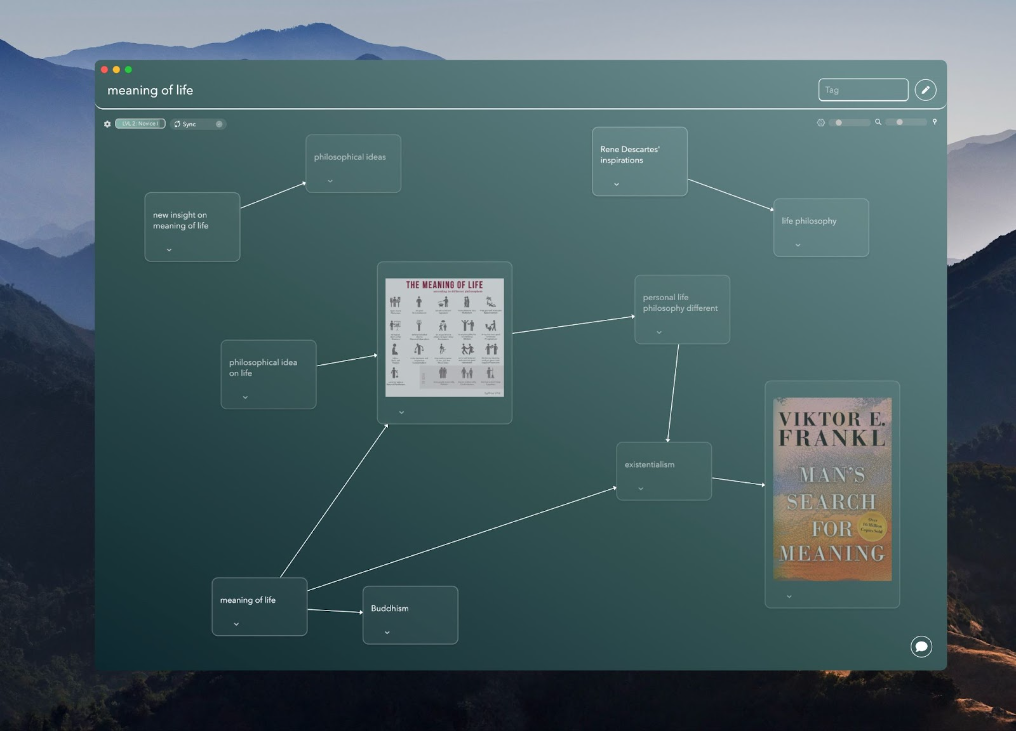
Key Features of Constella.App
- Infinite Graph Structure: This innovative feature allows users to visually map their thoughts, creating an interconnected web of ideas. It mirrors the complex nature of human cognition, making it easier to see relationships between different entries and themes.
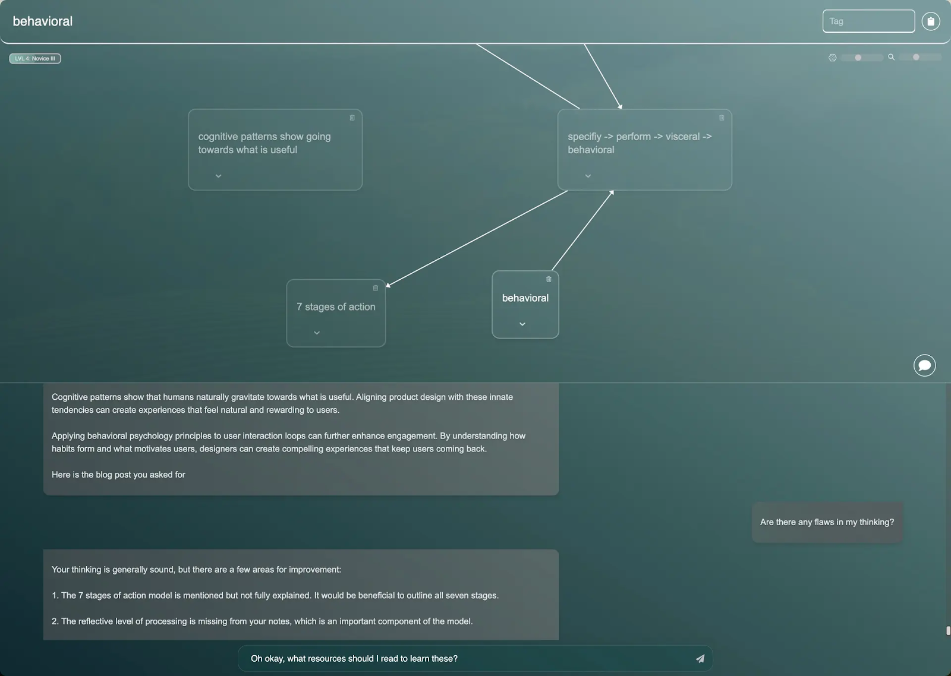
- Quick Thought Entry: Designed for efficiency, Constella.App enables rapid note-taking. Users can jot down fleeting thoughts without interrupting their flow, making it perfect for capturing ideas on the go. This is similar to the best AI note-taking app, which also focuses on quick and efficient note-taking.
- Visual Organization: The app's intuitive interface helps users organize their entries in a visually appealing manner. This not only aids in better understanding but also makes revisiting past entries more engaging.
Benefits Over Traditional Methods
Switching from pen-and-paper to digital platforms like Constella.App offers several advantages:
- Enhanced Accessibility: Access your journal from any device, ensuring that your reflections are always at your fingertips.
- Increased Flexibility: Easily edit or rearrange entries without the messiness associated with physical journals.
- Data Security: Protect your private thoughts with advanced encryption and backup options.
Embracing these digital advancements not only simplifies the journaling process but also enriches the overall experience by providing tools that align with modern needs. For instance, by leveraging Constella's features, users can gain better control over their lives by effectively tracking their thoughts and activities. Furthermore, the insights gained from using such digital tools can lead to significant improvements in productivity, as highlighted in this article about building a dream productivity system.
Conclusion: Benefits of Journaling with Constella.App as Your Ultimate Tool
Adopting a consistent journaling practice is a transformative step towards achieving personal goals. The act of journaling not only documents your journey but also provides a structured space to reflect and plan. With the integration of digital tools like Constella.App, keeping up with this practice becomes seamless and efficient.
Journaling offers numerous benefits:
- Enhanced Mental Clarity: Streamline thoughts and ideas, paving the way for clear decision-making.
- Emotional Well-being: Regular writing fosters emotional intelligence and self-awareness.
- Creativity and Critical Thinking: Unleash unique perspectives through creative exercises.
Constella.App serves as a powerful companion in this journey. Its features, such as the infinite graph structure, transform traditional journaling into an interactive experience, thus enhancing personal growth. Quick thought entries and visual organization allow users to capture insights effortlessly, making the process enjoyable and inspiring.
The app features various functionalities to enhance your journaling experience, including switch to normal text search, export/import capabilities, and the Stella Chat feature for interactive sessions. These tools make the journey towards self-discovery and emotional well-being more accessible and engaging.
By leveraging advanced solutions like Constella.App and incorporating personal knowledge management techniques, users can boost productivity, enhance learning, and discover effective tools for knowledge management, making their path to success and fulfillment more achievable.
FAQs (Frequently Asked Questions)
What are the benefits of journaling for mental health?
Journaling offers numerous benefits for mental health, including reduced stress levels, improved emotional well-being, and enhanced self-awareness. It serves as a powerful tool for processing emotions and clarifying thoughts, ultimately leading to greater mental clarity.
How can I start a journaling practice effectively?
To initiate a journaling practice effectively, begin by choosing a type of journal that resonates with you, such as a gratitude journal or bullet journal. Set aside dedicated time each day or week to write without judgment. Focus on expressing your thoughts and feelings freely to build a consistent habit.
What is the neuroscience behind journaling?
Journaling impacts brain function by engaging areas such as the amygdala, which is involved in emotional processing, and Broca's area, crucial for writing and expression. This engagement helps enhance memory retention and emotional regulation through structured thought expression.
How does journaling enhance emotional intelligence?
Journaling plays a significant role in enhancing emotional intelligence by encouraging self-reflection and awareness of one's emotions. Techniques like reflective writing can help individuals process their feelings more deeply, leading to improved empathy and understanding of oneself and others.
Can journaling boost creativity?
Yes, regular journaling promotes creativity by providing an outlet for free expression and idea exploration. Exercises such as brainstorming or free writing can stimulate creative thinking and problem-solving skills, making it easier to generate new ideas.
What are the advantages of using digital tools like Constella.App for journaling?
Digital tools like Constella.App offer several advantages over traditional journaling methods, including quick thought entry and visual organization through features like an infinite graph structure. These tools enhance the overall journaling experience by making it easier to track progress and reflect on personal growth.
Want more insights like this?
Subscribe to get short productivity tips and useful summaries of new tools every week.
Want more insights like this?
Subscribe to get short productivity tips and useful summaries of new tools every week.