Knowledge Management (KM) is a crucial framework in today’s dynamic work environment. It offers tools and strategies that help overcome creative blocks, which can hinder innovation and productivity, negatively affecting organizational performance. By effectively managing knowledge, individuals and teams can unlock new ideas and insights, fostering creativity and driving progress.
In this article, we explore how effective KM strategies can empower individuals and teams to overcome creative barriers. By implementing these strategies, anyone can revitalize their creative process and foster a culture of continuous innovation.
What is Knowledge Management?
At its core, knowledge management involves the systematic process of capturing, distributing, and effectively using knowledge within an organization. KM plays a crucial role in fostering creativity and collaboration by ensuring that valuable insights are accessible to everyone who needs them.

Types of Knowledge in KM
There are three main types of knowledge that are important in knowledge management and why each type holds unique significance within KM systems:
- Tacit Knowledge: This is intuitive know-how that is hard to articulate and is often gained through personal experience. Tacit knowledge fuels innovation with its inherent creativity.
- Implicit Knowledge: This type of knowledge is derived from tacit knowledge but can be more easily articulated. It is often seen in skills or tasks learned through practice. Implicit knowledge bridges the gap between intuition and documentation.
- Explicit Knowledge: This is information that can be readily documented and shared, such as manuals and procedures. Explicit knowledge provides a foundation for widespread information sharing.
The Role of Knowledge Sharing in Innovation
Knowledge sharing is vital for innovation, enabling teams to build on collective ideas for new solutions and breakthroughs. Modern knowledge management systems and apps streamline this process through effective tools for capturing and sharing insights. Mastering Personal Knowledge Management can boost productivity, though traditional note-taking systems may be limiting - learn why here.
Strategies for Overcoming Creative Blocks through Knowledge Management
1. Embrace Diverse Sources
Diverse perspectives are essential in nurturing creativity and innovation. By stepping outside of familiar contexts, individuals can encounter new ideas, challenge their assumptions, and awaken dormant creativity. Integrating Knowledge Management techniques helps in systematically incorporating diverse sources of inspiration into the creative process.

Here are some ways to embrace diverse sources of inspiration:
- Art: Engaging with different forms of art can spark new ideas. Whether it's attending a gallery, exploring street art, or even trying hands at painting, art provides a fresh lens through which to view challenges.
- Nature: Immersing oneself in nature offers a unique setting for creative reflection. The natural world is rich with patterns, colors, and phenomena that can ignite innovative thinking and problem-solving approaches.
- Cultures: Exploring different cultures enriches one's understanding of various lifestyles, traditions, and narratives. This exploration broadens horizons and introduces alternative ways of thinking and creating.
Incorporating these sources into daily routines or organizational practices can prevent stagnation and encourage continuous innovation.
The power of diverse inspiration extends beyond individual creativity to transform team dynamics and collaborative potential. By drawing from multiple domains—whether art, nature, culture, or technology—teams can transcend conventional thinking patterns and develop revolutionary solutions. This comprehensive approach to sourcing inspiration creates a sustainable foundation for continuous innovation, effectively preventing creative stagnation while fostering an environment of dynamic idea generation.
2. Cultivate Self-Awareness
Developing self-awareness is crucial for identifying the early signs of creative blocks, both individually and within a team. Recognizing these blocks at their onset allows for timely intervention and ensures that creativity continues to flow.

Here are some ways to cultivate self-awareness:
- Encourage Diverse Perspectives: Encouraging diverse perspectives within a team can illuminate blind spots and help identify potential barriers to creativity. This diversity fosters an environment where unique ideas can flourish and be integrated into the creative process.
- Practice Mindfulness: Engaging in mindfulness practices helps individuals become attuned to their mental states, making it easier to recognize when creative blocks arise. Techniques such as meditation or reflective journaling can promote a deeper understanding of one's thought processes and emotional responses.
- Recognize Creative Blocks: By fostering an environment of openness and communication, teams can collectively recognize signs of stagnation or fatigue. Sharing experiences and insights about personal inspiration sources can also act as a catalyst for overcoming barriers.
Knowledge Management plays a vital role by providing tools and frameworks that enhance awareness and facilitate the sharing of insights, promoting a culture of continuous learning and adaptation.
3. Create a Supportive Workspace
The design of your physical workspace is crucial in promoting creativity and innovation. An inspiring environment can spark new ideas and encourage a culture of creativity. Including features that promote different viewpoints can greatly improve the creative process.

It's important to create an environment that strikes a balance between personal space and areas for collaboration. Flexible furniture arrangements, comfortable seating, and plenty of natural light all contribute to a more welcoming atmosphere that encourages innovative thinking. By creating a supportive workspace through thoughtful design and knowledge management principles, organizations can effectively overcome creative obstacles and nurture a vibrant creative culture.
4. Practice Divergent Thinking
Divergent thinking is a cognitive process that encourages the generation of multiple and varied solutions to a problem. It fosters originality by embracing diverse perspectives, leading to innovative outcomes in problem-solving. Encouraging diverse viewpoints within a team can break down creative barriers and generate new, groundbreaking ideas.

Engaging in free-thinking activities is essential to promote divergent thinking. Examples include:
- Brainstorming sessions: Encourage participants to voice any idea without judgment or limitations, allowing the flow of creativity.
- Role-playing scenarios: Participants adopt different personas or perspectives to see problems from new angles.
- Inspiration sources exploration: Delve into art, nature, or cultures outside one's usual context to spark fresh ideas.
Integrating these practices within a Knowledge Management strategy can stimulate creative thinking and enable teams to unlock novel approaches and solutions.
5. Invest in Continuous Learning
Engaging in continuous learning is essential for overcoming creative blocks and fostering innovation. Embracing diverse perspectives allows individuals to approach problems from multiple angles, leading to novel ideas and solutions. By consistently engaging with new inspiration sources—whether through books, courses, or workshops—professionals can expand their knowledge base and enhance their ability to think outside the box.

Investing in professional development ensures that skills remain relevant and aligned with current industry trends. Knowledge Management systems facilitate this by providing access to updated resources, expert insights, and collaborative platforms that encourage the exchange of ideas. Through continuous learning, individuals not only maintain a fresh perspective but also invigorate their creative processes, turning potential barriers into opportunities for growth and discovery.
6. Use Mind Mapping
Mind mapping is a powerful tool for organizing thoughts in a way that allows you to explore connections between ideas. Unlike traditional linear methods, mind mapping encourages non-linear thinking, which can lead to more innovative and creative solutions.
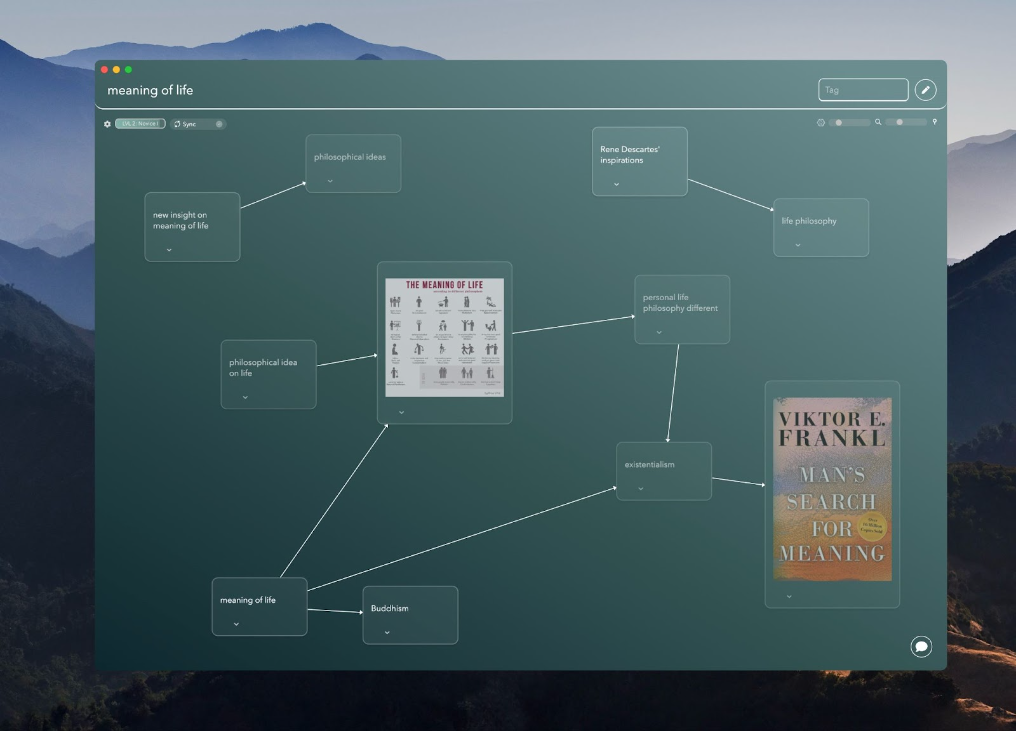
- **Gaining Clarity: **When faced with complex problems or projects, mind mapping can help you break down information into smaller, more manageable parts. This clarity can lead to better decision-making and problem-solving.
- Bridging Gaps Between Concepts: Sometimes, the best ideas come from combining seemingly unrelated concepts. Mind maps encourage this type of thinking by allowing you to connect different branches of your map and explore new possibilities.
- Sparking New Avenues of Thought: If you're feeling stuck or uninspired, creating a mind map can be a great way to jumpstart your creativity. By visually organizing your thoughts and ideas, you may discover new paths or directions that you hadn't considered before.
Mind mapping is not just a tool; it is an avenue for unlocking creativity through structured yet flexible thinking. It complements other knowledge management strategies by bridging gaps between seemingly unrelated concepts and sparking new avenues of thought.
The Future with Constella.App as a Next Generation Tool
Constella.App is reshaping how individuals and organizations manage information, offering a cutting-edge platform to overcome creative and organizational challenges. By leveraging its unique set of features, Constella empowers users to streamline their workflows, foster innovation, and maximize productivity.
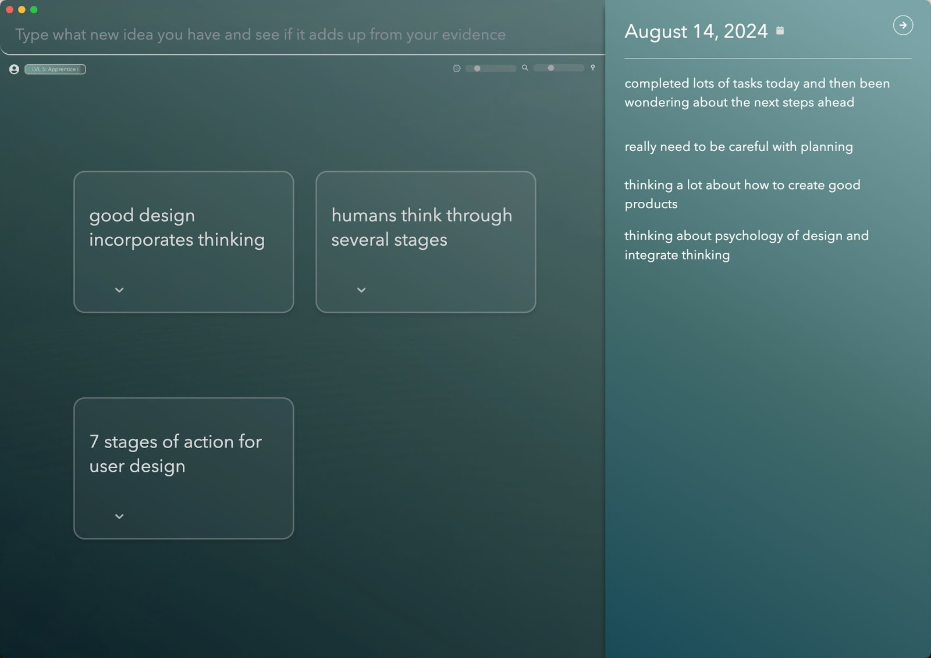
Key Features of Constella.App
- Interconnected Notes: Users can link ideas seamlessly, building a dynamic network of thoughts. This feature facilitates a web-like structure for knowledge exploration, encouraging the discovery of new insights and connections.
- Visual Graphs: The app’s intuitive graph-based interface visualizes relationships between concepts and data points, enabling users to navigate complex information effortlessly. This visualization aids in clarity and strategic decision-making.
- Smart Organization Tools: Advanced categorization features and tagging systems ensure that essential information is readily accessible. Related notes and insights are surfaced in real-time on a visual canvas as you type, eliminating the need for tedious searches through folders.
- Exporting and Importing Notes: Users can easily integrate Constella into their existing workflows by importing notes from other platforms or exporting them for external use, ensuring flexibility and collaboration.
- Stella Chat (AI Assistant): Stella Chat enhances productivity by assisting with note summaries, idea generation, and knowledge retrieval, acting as a powerful ally for users navigating their data repositories.
- Advanced Search Options: Whether you're using visual exploration or switching to traditional text-based search, Constella ensures that finding information is intuitive and quick.
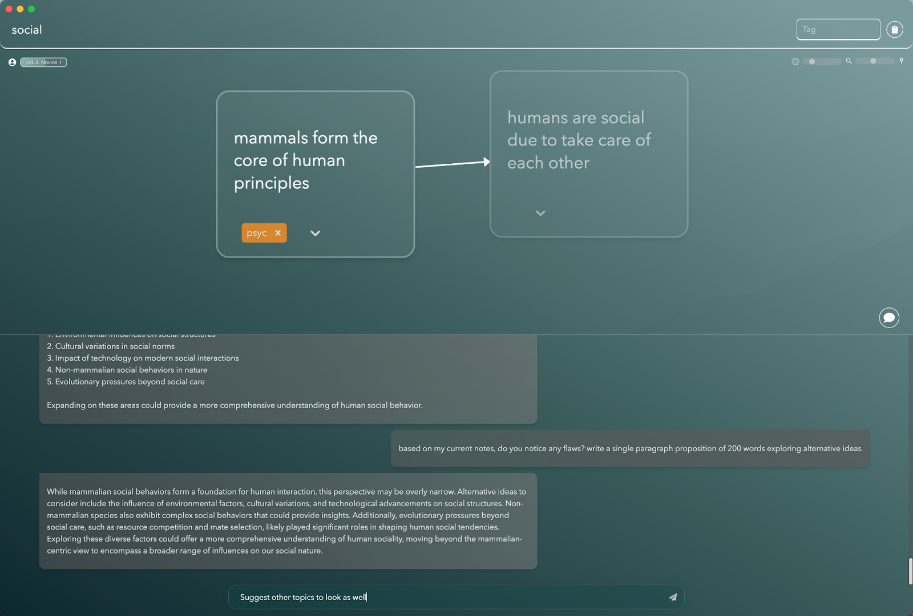
These features create an environment where creativity thrives. Users can explore relationships between ideas, manage large knowledge repositories, and streamline collaborative efforts. By integrating Constella into their workflows, individuals and teams can break through traditional creative barriers, paving the way for innovation and efficiency.
By incorporating Constella.App into your workflow, you position yourself at the forefront of next-generation Knowledge Management tools. This empowers individuals and organizations alike to overcome traditional creative barriers, leading to increased productivity and innovation. For more information about its other features such as switching to normal text search, exporting/importing notes, or using Stella Chat, you can refer to the Constella FAQs.
FAQs (Frequently Asked Questions)
What is knowledge management and why is it important?
Knowledge management (KM) refers to the systematic process of creating, sharing, using, and managing the knowledge and information of an organization. It plays a crucial role in facilitating creativity and collaboration, helping organizations overcome creative blocks and enhance overall performance.
What types of knowledge are involved in knowledge management?
In knowledge management, there are three main types of knowledge: tacit (personal and context-specific), implicit (understood but not formally articulated), and explicit (documented and easily shared). Each type has its significance in fostering innovation and effective collaboration within organizations.
How can diverse perspectives help overcome creative blocks?
Embracing diverse perspectives is essential for overcoming creative barriers. By seeking inspiration from various sources such as art, nature, or different cultures, individuals can stimulate their creativity and generate new ideas that may not have been considered within their usual context.
What role does mindfulness play in recognizing creative blocks?
Mindfulness practices help individuals develop self-awareness, allowing them to recognize early signs of creative blocks. By being present and attentive to their thoughts and feelings, individuals can effectively manage these barriers before they hinder productivity.
What is the importance of continuous learning in combating creative blocks?
Continuous learning and skill development are vital for maintaining a fresh perspective. By investing in ongoing education, individuals can combat creative blocks over time, ensuring they remain innovative and adaptable in their thinking.
How can mind mapping be utilized as a tool for creativity?
Mind mapping is a powerful technique for organizing thoughts non-linearly. It allows individuals to explore connections between ideas visually, which can lead to new insights and foster originality in problem-solving processes.
Want more insights like this?
Subscribe to get short productivity tips and useful summaries of new tools every week.
Want more insights like this?
Subscribe to get short productivity tips and useful summaries of new tools every week.