Research overload is a growing challenge in today’s academic and professional environments, driven by the sheer volume of information available in the digital age. With endless data at their fingertips, researchers struggle to filter valuable insights from irrelevant noise. This cognitive load often leads to mental fatigue, reduced focus, and decision fatigue, where constant choices degrade decision quality over time. Addressing these challenges is essential to efficiently process and prioritize information, particularly in fields like market or customer research, where effective strategies can make a significant difference.
Strategies for Managing Research Overload
1. Prioritization Techniques
Distinguishing between urgent and important tasks is crucial in research management. This distinction allows researchers to allocate their time and resources effectively, ensuring that critical tasks receive the attention they deserve while less pressing matters are scheduled appropriately. By focusing on what truly matters, you can enhance your productivity and reduce the stress associated with research overload.
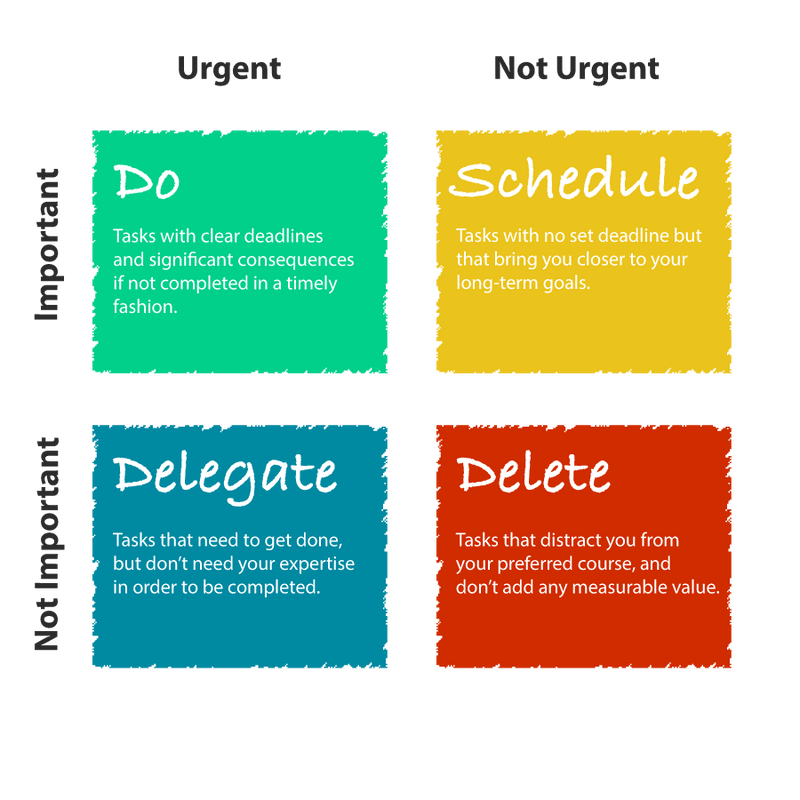
The Eisenhower Matrix is an effective tool for prioritizing research activities by categorizing tasks based on their urgency and importance. Named after President Dwight D. Eisenhower, this matrix helps you organize tasks into four distinct categories:
- Urgent and Important (Do First): Tasks requiring immediate action that align with major research goals. Example: Submitting a grant application before the deadline.
- Important but Not Urgent (Decide): Tasks essential for future success but lacking immediacy. Example: Developing a comprehensive literature review for a future project.
- Urgent but Not Important (Delegate): Tasks demanding quick attention but not crucial to your main objectives. Example: Responding to routine emails that could be handled by a colleague.
- Neither Urgent nor Important (Delete): Activities that consume time without contributing to your goals. Example: Browsing unrelated online content during work hours.
Effective research management requires both prioritization techniques and modern note-taking strategies. While traditional document-based systems like Apple Notes or Google Docs are becoming outdated, methods like the Zettelkasten method offer more dynamic approaches to organizing research data. Understanding why we should move away from document-based note-taking and embracing these contemporary methods can significantly improve information management, helping researchers maintain focus and productivity while reducing overload.
2. Information Filtering Tools
As research workloads increase, the challenge of managing research overload becomes more pronounced. Technology plays a crucial role in filtering information overload, offering practical solutions to streamline this process. By integrating information management software into your research strategies, you can effectively prioritize and manage data.

Examples of tools that can help sort and highlight relevant data:
- Feedly: This tool aggregates news feeds from various online sources, allowing you to customize what you read based on your specific research interests.
- Pocket: Save articles, videos, and other content to view later. This helps focus on current tasks while ensuring important information isn't lost.
- Zotero: A powerful tool for collecting, organizing, citing, and sharing research materials. It offers tagging and search functions that make finding relevant data quick and easy.
Implementing these filtering systems for researchers not only aids in managing research overload but also enhances productivity by minimizing distractions. Embracing these technologies allows you to stay focused on high-priority tasks as identified through effective prioritization techniques like the Eisenhower Matrix. These tools act as digital assistants, helping you sort through large volumes of data without feeling overwhelmed.
3. Time Management Strategies for Researchers
Effective research management strategies are crucial in navigating the vast landscape of information. Among these, time management stands out as a key component. By setting specific goals for each research session, you can maintain focus and enhance productivity. This involves clearly defining what you aim to achieve in a given timeframe, ensuring that your efforts are directed towards meaningful outcomes.
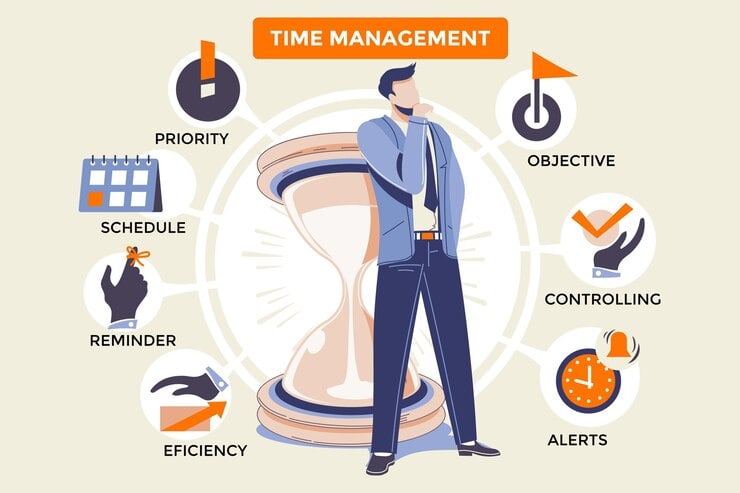
Establishing dedicated research time slots is another powerful technique. By allocating specific times solely for research work, distractions can be minimized significantly. This approach allows you to immerse yourself fully in your tasks without the constant interruptions from external sources.
Consider the Eisenhower Matrix as part of your toolkit for effective prioritization techniques. This matrix helps distinguish between urgent and important tasks, enabling you to allocate your time more wisely.
- Set Clear Goals: Define what success looks like for each session.
- Dedicated Time Slots: Allocate uninterrupted blocks of time for research.
- Utilize the Eisenhower Matrix: Prioritize tasks effectively by assessing urgency and importance.
Implementing these productivity tips within your academic routine can lead you to more structured and efficient research processes, ultimately driving better results in your work.
4. Self-Care Practices to Combat Burnout
Incorporating self-care into your research management strategy is essential for sustaining mental clarity, preventing burnout, and maintaining long-term productivity. Recognizing your personal energy patterns can significantly boost efficiency—whether you perform best in the early morning, afternoon, or late evening. By aligning demanding tasks with these energy peaks and scheduling regular, meaningful breaks, you can maximize focus and minimize mental fatigue.

Prioritizing self-care activities like meditation, exercise, or engaging in hobbies plays a key role in preserving a balanced lifestyle. These activities not only provide much-needed relief from cognitive overload but also stimulate creativity, reduce stress, and foster clearer thinking. Regular physical movement, for example, has been linked to enhanced cognitive performance and emotional well-being, making it a powerful complement to intensive research work.
Preventing burnout also requires setting firm boundaries between professional and personal time. By establishing dedicated time blocks for research and scheduling moments for relaxation, you create a structure that protects your mental space without guilt or distraction. This separation helps maintain focus during work while ensuring adequate downtime for recovery.
5. Minimizing Multitasking in Research Workflows
In research environments, multitasking often masquerades as a skill. However, engaging in multiple tasks simultaneously can lead to reduced efficiency and increased error rates. The cognitive load of switching between tasks detracts from your ability to make effective decisions, ultimately leading to decreased productivity.

Research strategies emphasize the importance of focusing on one task at a time to enhance outcomes. Here are some approaches:
- Adopt Effective Prioritization Techniques: Utilize tools like the Eisenhower Matrix to distinguish between urgent and important tasks. By categorizing your workload, you can concentrate on high-priority activities without unnecessary distractions.
- Set Clear Boundaries: Allocate specific time slots for different research activities. This helps maintain focus and prevents the temptation to juggle tasks.
- Use Technology Wisely: Implement digital tools that support single-task workflows. For instance, apps that disable notifications during dedicated research periods can help minimize interruptions.
These research management strategies aim to reduce multitasking's impact, fostering an environment where thoughtful, concentrated effort leads to better decision-making and more effective results.
6. Leveraging Technology for Effective Document Management
Efficient document management is crucial in managing research overload. With the right digital tools, researchers can streamline their workflow and focus on essential tasks. Digital organization systems offer solutions to categorize, store, and retrieve research materials effectively. One standout tool in this domain is Constella.App, which provides a suite of features designed for modern researchers.
Features of Constella.App
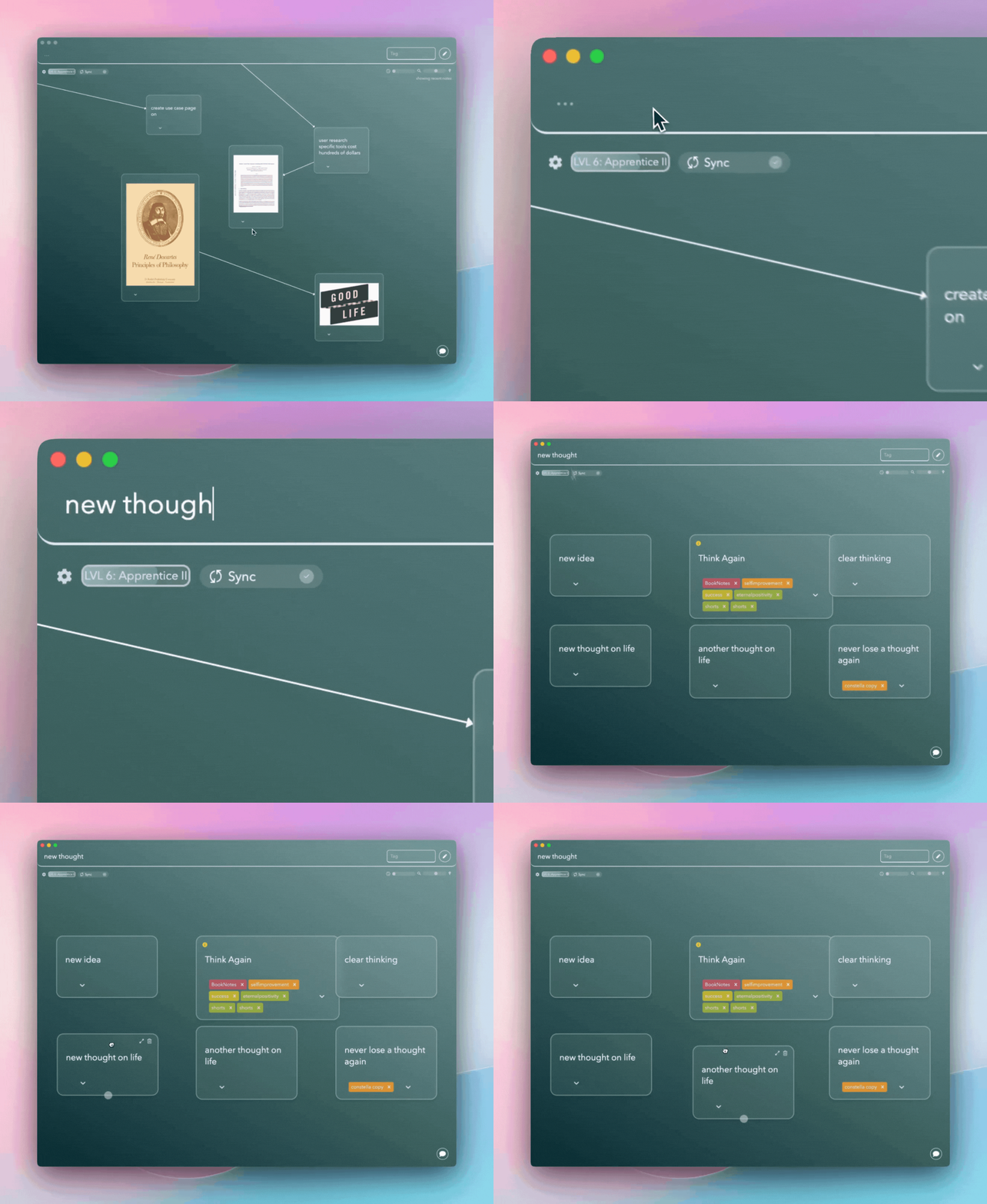
Constella.App serves as a next-generation platform that simplifies research management strategies through its unique functionalities:
- Visual Graph Representation: This feature allows users to organize and visualize their research data in interconnected formats. By visually mapping out information, you can quickly identify relationships and prioritize tasks based on urgency and importance—akin to strategies like the Eisenhower Matrix.
- Jotting View: Aimed at capturing spontaneous ideas, this view supports efficient prioritization techniques by enabling quick note-taking directly within the application. It ensures that no crucial information slips through the cracks, aligning with effective research strategies. For those interested in exploring more about effective note-taking, check out this article on the best AI note-taking apps.
- Stella AI Chat: Leverage the built-in AI assistant, Stella, for instant support in summarizing data, generating insights, or answering queries, helping researchers save time and boost productivity.
- Fast Note Retrieval and Search: Quickly locate notes, references, or key ideas with powerful search functionality, ensuring seamless access to critical information without disruption.
Constella.App’s robust features combine intuitive design with practical tools, making it an essential companion for researchers aiming to stay organized, productive, and stress-free.
Other Tools for Digital Organization
In addition to Constella.App, other scientific research tools contribute significantly to digital organization efforts. These tools aid in filtering irrelevant data and focusing on what's most pertinent, addressing the challenge of distinguishing between urgent vs important tasks.
By adopting these digital solutions, researchers can enhance their productivity and maintain clarity amidst an overwhelming influx of information. Embracing technology not only facilitates better document management but also empowers you to stay organized and focused on achieving your research goals efficiently.
For more insights on how Constella can help you gain control over your life by tracking what's going on with innovative features, visit our guide.
Coping Mechanisms Beyond Technology: Embracing Emotional Agility
Navigating the complexities of research overload isn't just about employing technology and organizational strategies. Developing emotional agility is a vital practice in managing the stress caused by the influx of information, often termed as "infoxication". Emotional agility refers to the ability to adapt your emotions and thoughts to changing circumstances, enhancing your capacity to handle overwhelming data.

Key practices of emotional agility include:
- Acceptance: Recognizing and accepting feelings of overwhelm without judgment allows you to process emotions more constructively. This acceptance can prevent negative emotional spirals that hinder productivity.
- Mindfulness: Being present in the moment helps you focus on what's truly important, reducing distractions from unnecessary information. Practicing mindfulness can improve concentration and decision-making under pressure.
- Flexible Thinking: Cultivating a mindset that embraces change and uncertainty enables you to pivot quickly when research priorities shift. This flexibility is crucial in adapting to new information or unexpected findings.
Emotional agility transforms how you interact with information, ensuring that you're not just surviving under research overload but thriving amidst it.
Conclusion: A Holistic Approach Towards Managing Research Overload
Addressing research overload requires a strategic and multifaceted approach. Here are some key strategies to consider:
- Prioritization techniques like the Eisenhower Matrix help distinguish between urgent and important tasks, enhancing focus on critical activities.
- Information filtering tools streamline data management, while dedicated time management strategies ensure consistent productivity without unnecessary distractions.
- Self-care practices, recognizing energy patterns, and scheduling breaks are crucial for sustaining mental health and preventing burnout.
- Minimizing multitasking leads to improved efficiency in processing information.
- Leveraging technology further supports organization, with digital tools aiding in effective document management.
These strategies collectively offer a comprehensive toolkit for managing research overload effectively.
By embracing this holistic approach, individuals can navigate the complexities of academic and professional infoxication more effectively, achieving improved outcomes in their work and studies.
FAQs (Frequently Asked Questions)
What is research overload and what causes it?
Research overload, also known as information overload, occurs when individuals are faced with an overwhelming amount of information that makes it difficult to process and make decisions. Causes include the impact of digitalization on information availability, excessive cognitive load, and decision fatigue.
How can I effectively prioritize my research activities?
To prioritize your research activities effectively, distinguish between urgent and important tasks using the Eisenhower Matrix. This tool helps you categorize tasks based on their urgency and importance, allowing you to focus on what truly matters in your research management strategy.
What are some tools for filtering information overload?
There are various information filtering tools and software designed to help researchers manage information overload. These tools can sort and highlight relevant data, making it easier to focus on key insights without being overwhelmed by excessive information.
How can I manage my time better while conducting research?
Implementing dedicated research time slots is essential for effective time management. Setting specific goals for each session helps maintain focus and productivity while minimizing distractions during your research work.
What self-care practices can help prevent burnout during research?
To combat burnout, recognize your personal energy patterns and schedule breaks accordingly. Prioritizing self-care activities alongside your research work is crucial for maintaining optimal productivity and overall well-being.
Why should I minimize multitasking in my research workflows?
Minimizing multitasking is important because it can significantly affect efficiency in decision-making processes. Focusing on one task at a time leads to better outcomes and helps manage research overload more effectively.
Want more insights like this?
Subscribe to get short productivity tips and useful summaries of new tools every week.
Want more insights like this?
Subscribe to get short productivity tips and useful summaries of new tools every week.