Note-taking is important for capturing and organizing thoughts effectively. It allows you to document your ideas, insights, and observations, making them easy to access later. However, traditional methods often result in scattered notes, making it challenging to see connections between different concepts.
Moving from scattered notes to a more organized approach with connected ideas can greatly improve your creativity and understanding. By linking together unrelated thoughts, you create a network of knowledge that reflects how your brain naturally processes information.
Smart note-taking systems offer a solution by enabling you to capture and connect ideas more efficiently. These systems help you organize your notes in a way that encourages deeper comprehension and innovative thinking.
Understanding the Limitations of Traditional Note-Taking Methods
Traditional note-taking methods, such as document-based editing, have several limitations that can make it difficult to capture and organize ideas effectively.
1. Spatial Constraints
The fixed layout of A4 size paper limits how you can arrange your notes. This reduces the potential for creative organization and makes it harder to visualize connections between different thoughts.
2. Linear Structure
With traditional methods, notes are usually taken in a linear fashion, meaning that thoughts are recorded one after the other. This doesn't support the fluid nature of how we think and leads to isolated ideas instead of interconnected concepts.
3. Disconnected Ideas
Traditional note-taking methods don't provide a built-in way to link related notes together. As a result, you may end up with a fragmented understanding of topics and struggle to see the bigger picture.
By understanding these limitations, it's clear that traditional note-taking methods may not be enough for capturing and organizing thoughts effectively in today's fast-paced world filled with information.
Smart Note-Taking
Smart note-taking is a new and improved way of taking notes that aims to change the way you record and link ideas. Unlike traditional methods that often result in disorganized and disconnected notes, smart note-taking uses advanced technology to create a more integrated system for managing your thoughts.
AI technology is a key component in this transformation. It enables the creation of a smart inbox for personal thoughts, where related ideas are automatically linked without requiring constant user input. This smart inbox serves as an active storage space where your notes are not only kept but also organized based on their significance and context.

The Benefits of Smart Note-Taking
Some of the main advantages of smart note-taking include:
- Better Organization: Notes are automatically sorted and connected, reducing the need for manual effort.
- Boosted Creativity: By linking unrelated ideas, fresh insights and creative solutions come about more easily.
- Quicker Retrieval: AI-powered search functions make it easy to find relevant information quickly and effortlessly.
With these advancements, smart note-taking goes beyond just recording information; it creates a comprehensive network of knowledge. This system not only saves time but also enhances your ability to make meaningful connections between your ideas.
The Zettelkasten Method: A Powerful Tool for Smart Note-Taking
The Zettelkasten method, popularized by renowned sociologist Niklas Luhmann, stands out as an effective framework for implementing smart note-taking practices. This method revolves around the concept of a "slip-box" technique, a powerful strategy for creating a decentralized network of knowledge.
Luhmann's approach involves sequentially numbered notes stored in a physical or digital slip-box. Each note is linked to others through a unique numbering system, allowing you to establish meaningful connections between disparate ideas effortlessly.

Key aspects of the Zettelkasten method include:
- Sequential Numbering: Each note receives a unique identifier, making it easy to reference and connect related notes.
- Linking Notes: By linking notes with similar themes or topics, you create a web of interconnected ideas that fosters deeper understanding and insight.
- Decentralized Network: Unlike traditional linear note-taking methods, the Zettelkasten approach builds a non-hierarchical structure, promoting flexibility and creativity in thought processes.
This decentralized network of knowledge aligns perfectly with modern smart note-taking systems, providing an organized and efficient way to capture and connect your thoughts over time.
Types of Notes in the Smart Note-Taking Process
Capturing and connecting ideas efficiently depends on recognizing the different types of notes in any smart note-taking system. Each note type serves a unique purpose and fits into a larger framework for building knowledge and making connections.

1. Fleeting Notes
Quick captures for raw ideas and observations.
- These are brief, informal jottings—fragments that come to mind during the day.
- Often recorded on-the-go with minimal structure.
- Examples include a passing thought during a meeting, a book recommendation from a friend, or an insight sparked while walking.
- Their temporary nature means they’re intended for review and processing later, not long-term storage.
2. Literature Notes
Summarizing key insights from books, articles, podcasts, or research papers.
- More structured than fleeting notes, these distill essential information from external sources.
- Include direct quotes, paraphrased points, or critical reflections.
- Organized by source and topic, making it easy to revisit the original context if needed.
- For instance: after reading a chapter on creativity, you might jot down the main argument and a notable quote that resonated.
3. Permanent Notes
Long-term storage for refined insights and connections.
- These represent your synthesized understanding—ideas you want to keep and build upon.
- Carefully written in your own words, often include explicit links to related notes across your collection.
- Serve as the backbone of your knowledge network; examples range from personal theories to conceptual frameworks developed through repeated reflection.
Smart note-takers use these categories intentionally: fleeting notes fuel quick capture, literature notes anchor learning from sources, and permanent notes crystallize lasting knowledge.
This layered approach allows you to transition raw thoughts into structured insights that remain accessible and interconnected within your smart note system.
Benefits of Embracing Connected Ideas Through Smart Note-Taking Systems
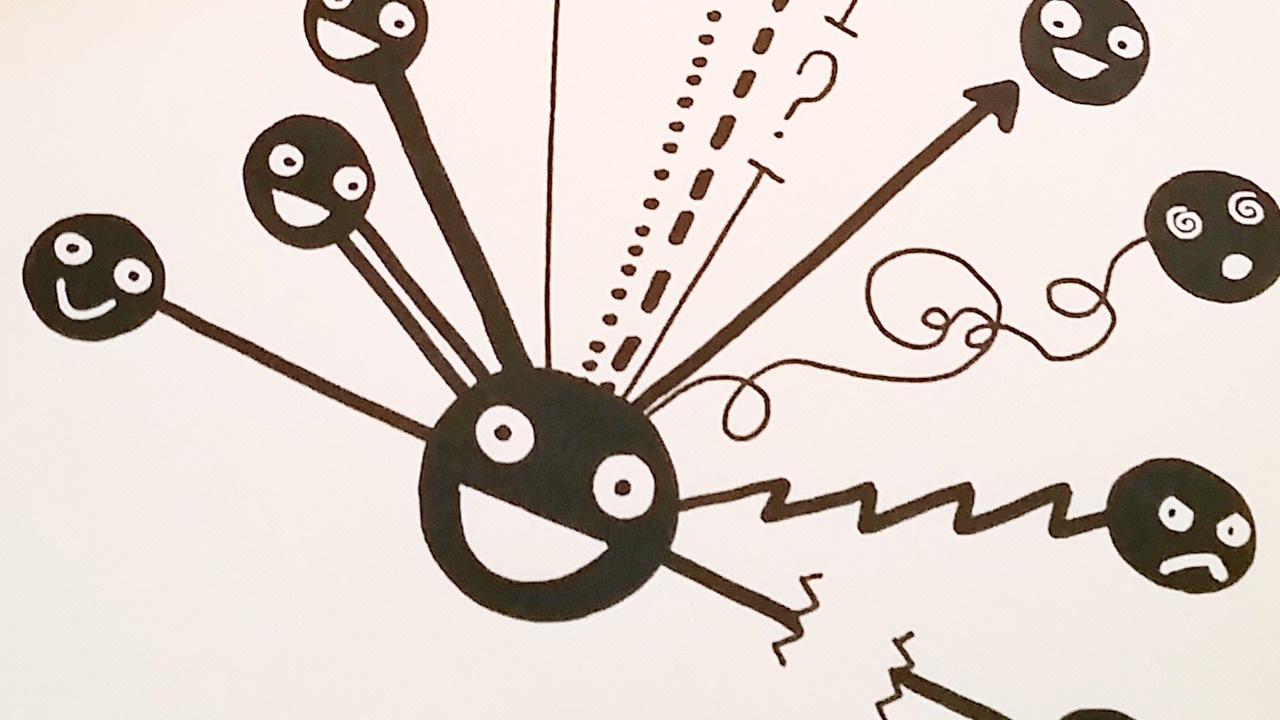
Embracing smart note-taking systems can revolutionize the way you capture, connect, and utilize your ideas. Here are some key benefits:
1. Fostering Creativity
By actively establishing connections between related concepts within your notes, you can generate new insights and foster creativity. When ideas are interconnected, it becomes easier to see patterns and relationships that might not be immediately apparent. This interconnected web of thoughts can spark innovation and lead to unique solutions.
2. Deep Understanding
Interlinking diverse perspectives captured in your smart note collection enhances your deep understanding of complex topics. As you create a network of related notes, you build a rich context around each concept. This holistic view allows for a deeper comprehension of the material, making it easier to recall and apply knowledge effectively.
3. Higher-Quality Written Work
Leveraging the power of connected ideas enables you to produce higher-quality written work. Notes that reflect a comprehensive grasp on subject matter result in more coherent and insightful content. Whether you're writing an article, research paper, or report, the ability to draw from a well-organized and interconnected pool of ideas ensures that your work is thorough and well-supported.
Smart note-taking systems transform scattered notes into a cohesive network of knowledge, enhancing creativity, deep understanding, and the quality of your written output.
Constella App: Your Ultimate Companion for Smart Note-Taking on Visual Notes Apps

Constella App is an innovative solution designed specifically for visual thinkers who want to maximize the potential of smart note-taking systems like Zettelkasten. It offers an intuitive, highly connected way to capture and organize ideas, helping you turn scattered thoughts into structured knowledge.
Key Features of Constella App
- Smart Retrieval - Quickly find the most relevant notes using advanced algorithms. Constella ensures that your searches surface meaningful and contextually related information, helping you focus on insights rather than sifting through clutter.
- Visual Graph - Explore your ideas in a dynamic visual graph. See the relationships between concepts at a glance, and discover new connections as your knowledge network grows. Perfect for visual learners and big-picture thinkers.
- Enhanced Connectivity - Seamlessly integrate with other tools and platforms you already use. Constella makes it easy to sync data across applications, creating a unified environment for all your notes and ideas.
- Backlinking - Effortlessly create two-way links between notes. Strengthen your knowledge graph by connecting related concepts, facilitating deeper understanding and context-building.
- Daily Notes - Keep track of your daily insights, tasks, and reflections. Daily Notes provide a simple yet powerful way to capture ongoing thoughts and tie them into your broader knowledge network.
- Tagging System - Organize and classify notes using an intuitive tagging system. Tags help surface related content and create flexible, customizable ways to structure your information.
- Offline Mode - Work anywhere, anytime—even without an internet connection. Your notes remain accessible and editable offline, ensuring your workflow isn’t disrupted.
- Cross-Platform Support - Access your notes seamlessly across devices. Constella App works across desktop and mobile platforms, keeping your knowledge at your fingertips wherever you go.
With its rich feature set and user-friendly design, Constella App empowers you to build a truly connected knowledge base. Whether you’re brainstorming ideas, managing projects, or pursuing lifelong learning, Constella provides the structure and flexibility to help your thinking thrive.
FAQs (Frequently Asked Questions)
Why is smart note-taking important for capturing and organizing thoughts effectively?
Smart note-taking enhances creativity and understanding by transitioning from scattered notes to a structured approach with connected ideas, enabling more effective capture and organization of your thoughts.
What are the limitations of traditional note-taking methods like document-based editing on A4 size paper?
Traditional note-taking methods face constraints such as lack of connections between thoughts, difficulties in establishing meaningful links, and challenges posed by the rigid A4 size paper format, which limits effective organization and retrieval.
How does AI technology facilitate smart note-taking through a 'smart inbox' for personal thoughts?
AI technology revolutionizes smart note-taking by enabling a 'smart inbox' that automatically links ideas over time without constant user input, making the process of capturing and connecting personal thoughts seamless and efficient.
What is the Zettelkasten method and how does it support smart note-taking?
The Zettelkasten method, popularized by Niklas Luhmann, is a slip-box technique that creates a decentralized network of knowledge through sequentially numbered notes linked together, providing a powerful framework for implementing smart note-taking practices.
What types of notes are involved in the smart note-taking process and what roles do they play?
Smart note-taking involves fleeting notes for quick captures, literature notes to summarize key insights from sources, and permanent notes for long-term storage and retrieval, each serving distinct roles in organizing and connecting ideas effectively.
How does the Constella App enhance smart note-taking for visual thinkers?
Constella App offers features like Smart Retrieval to quickly find relevant information, Visual Graph to dynamically represent relationships between ideas, and Enhanced Connectivity options for seamless integration with other tools, making it an ultimate companion for visual thinkers embracing smart note-taking systems like Zettelkasten.
Want more insights like this?
Subscribe to get short productivity tips and useful summaries of new tools every week.
Want more insights like this?
Subscribe to get short productivity tips and useful summaries of new tools every week.