Reflective journaling is the intentional practice of recording and examining your thoughts, emotions, and experiences. This process transforms a simple diary into a self reflection journal, designed for building self-awareness and understanding your own internal landscape.
Emotional intelligence—the ability to recognize, understand, and manage your own emotions, as well as empathize with others—is a crucial skill across all areas of life. In personal relationships, it fosters empathy, conflict resolution, and authentic connection. In professional settings, emotional intelligence supports effective teamwork, leadership, and adaptability under stress.
How Reflective Journaling Enhances Emotional Intelligence
Daily reflection has a direct impact on mindfulness and emotional regulation. When you take time each day to review emotional triggers or recurring thought patterns, you create space between stimulus and response. This pause allows for:
- Increased awareness of subtle feelings before they escalate
- Identification of behavioral patterns that drive decisions
- Tracking progress in managing stress or difficult interactions
Regular engagement in reflective journaling shifts your mindset from reactive to intentional. You become more attuned to your needs and values, which not only reduces impulsive reactions but also nurtures resilience during challenging situations.
Benefits of Regular Journal Reflection for Personal Growth

Reflective journaling involves examining your thoughts, emotions, and experiences through daily reflection. This practice allows you to develop a deeper understanding of yourself and your reactions to various situations.
Some notable benefits include:
- Improved Empathy: By reflecting on your interactions with others, you can better understand their perspectives and feelings. This heightened empathy can lead to more meaningful and compassionate relationships.
- Enhanced Decision-Making: Regularly reviewing your thoughts and actions helps you identify patterns and learn from past decisions. This can improve your ability to make informed choices.
- Stress Reduction: Writing about stressful events can provide an emotional release, helping to reduce overall stress levels. Journaling serves as a therapeutic outlet for processing complex emotions.
- Gratitude Cultivation: Reflecting on positive experiences and expressing gratitude in your journal fosters a positive mindset. This can enhance overall well-being and life satisfaction.
Regular journal reflection also aids in aligning with personal values and authentic self-expression. By consistently documenting your thoughts, you become more attuned to what truly matters to you. This alignment helps ensure that your actions are congruent with your core values, leading to a more fulfilling life.
Limitations of Traditional Journaling Methods
Document-based editing has shaped the way most people approach note taking and journaling. The classic format—writing sequentially on lined or digital A4-sized pages—creates a familiar but rigid structure for self-reflection.

Key limitations of traditional journaling:
- Physical and Digital Constraints: The size and shape of physical notebooks limit how much you can explore an idea on a single page. Digital documents mimic these constraints, forcing thoughts into a one-dimensional, linear flow.
- Fragmented Ideas: Connecting insights from previous entries or linking themes across time becomes difficult. Flipping through pages or searching for keywords rarely reveals subtle emotional patterns or evolving perspectives.
- Linear Progression: Thoughts are locked in chronological order. Revisiting and building on older reflections is cumbersome, making it easy to lose sight of connections between disparate experiences.
- Limited Contextual Linking: Traditional journals do not support dynamic connections between notes. You might jot down an insight about anxiety on one day and a solution weeks later, but connecting these moments requires manual effort or memory.
Traditional document-based editing works well for recording events, but it often falls short when it comes to synthesizing complex feelings or mapping patterns over time.
Modern knowledge workers and self-reflective individuals need more than just a digital replica of pen-and-paper methods. The brain thrives on context and association—a capability that linear journaling simply cannot match.
The Brain’s Preference for Contextual Connections
Neuroscience reveals a key distinction in how humans process and retain information: the brain operates through networks of context-based neurons, not through isolated, linear streams. This networked architecture enables you to make associations between memories, emotions, and sensory input, forming a mental “infinite canvas” rather than a single straight line of thought.
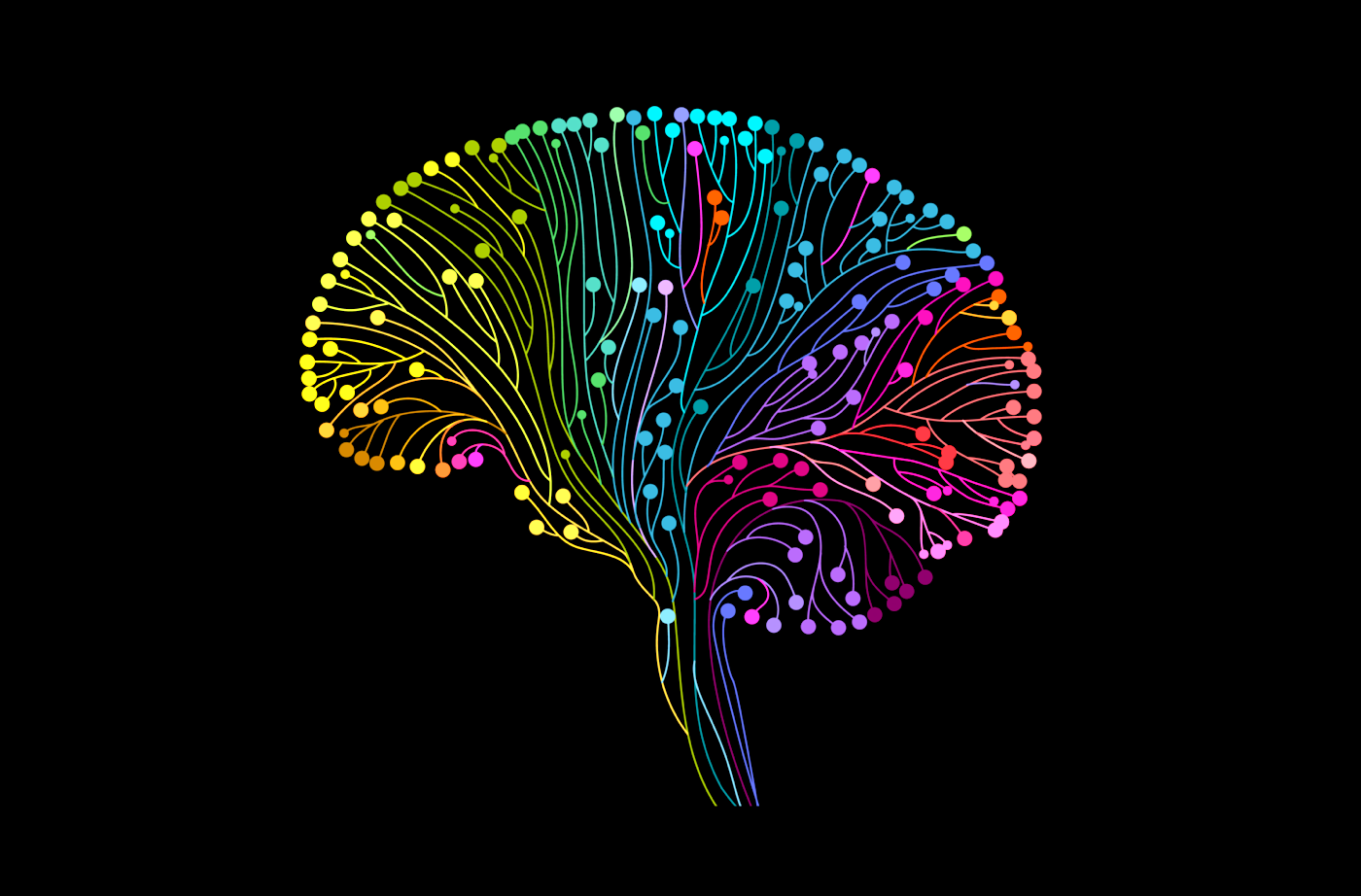
Traditional document-based journaling struggles to mirror this complexity. Notes and reflections are locked into a fixed order—page after page—with little room for spontaneous connection or cross-referencing. When you need to revisit an idea, finding and linking it with another insight often feels cumbersome.
Graph-based tools like Heptabase and Scrintal attempt to bridge this gap. These platforms allow ideas to branch out visually on a digital canvas. Instead of scrolling through endless pages, you can create nodes that represent thoughts or feelings and draw connections between them. This setup echoes the mind’s natural pattern of connecting dots across different contexts.
Benefits of Graph-Based Tools for Reflective Journaling
- Infinite canvas: Emulates the brain’s non-linear structure
- Contextual linking: Supports richer reflective journaling by surfacing relationships between disparate entries
- Visual mapping: Provides an overview of emotional patterns and recurring themes
Reflective journaling thrives when you can move ideas around freely, view them from multiple angles, and see how they relate across time. Graph-based systems offer a more brain-aligned approach to self-exploration compared to traditional linear documents.
AI-Powered Reflective Journaling Tools: Features and Advantages
AI journaling platforms stand out for their ability to adapt to your unique emotional landscape. Unlike static notebooks, a modern reflection app leverages artificial intelligence to offer personalized guidance during self-reflection. Smart prompts act as gentle nudges, steering your entries beyond surface-level recounting into deeper territory—challenging assumptions and encouraging honest exploration.

Key advantages of an AI-powered self reflection journal app include:
- Personalized Smart Prompts: The system analyzes your previous entries, mood patterns, and writing style, then generates questions tailored to help you unpack complex feelings or confront recurring themes.
- Voice-to-Text Input: Hands-free logging lets you capture fleeting emotions or insights on the go. Speaking thoughts aloud can also bring an extra layer of authenticity to reflections.
- Photo Inclusion: Attaching images adds context, anchors memories, and provides visual cues that evoke emotion during future reviews.
A reflection app powered by AI transforms routine journaling into an interactive dialogue with yourself—one designed for growth rather than mere documentation. This approach supports a richer, more nuanced understanding of your emotional world while removing common friction points found in traditional journaling systems.
Using Smart Prompts and Linking to Enhance Emotional Intelligence Through AI Reflection Apps
Smart prompts in AI reflection apps play a crucial role in fostering emotional intelligence. These AI-generated prompts encourage deeper self-inquiry by challenging your biases and presenting alternative perspectives. For example, instead of simply asking "How do you feel today?", an AI prompt might ask, "What underlying factors contributed to your feelings today?" This encourages you to dig deeper, uncovering hidden emotions and thoughts that drive your behavior.
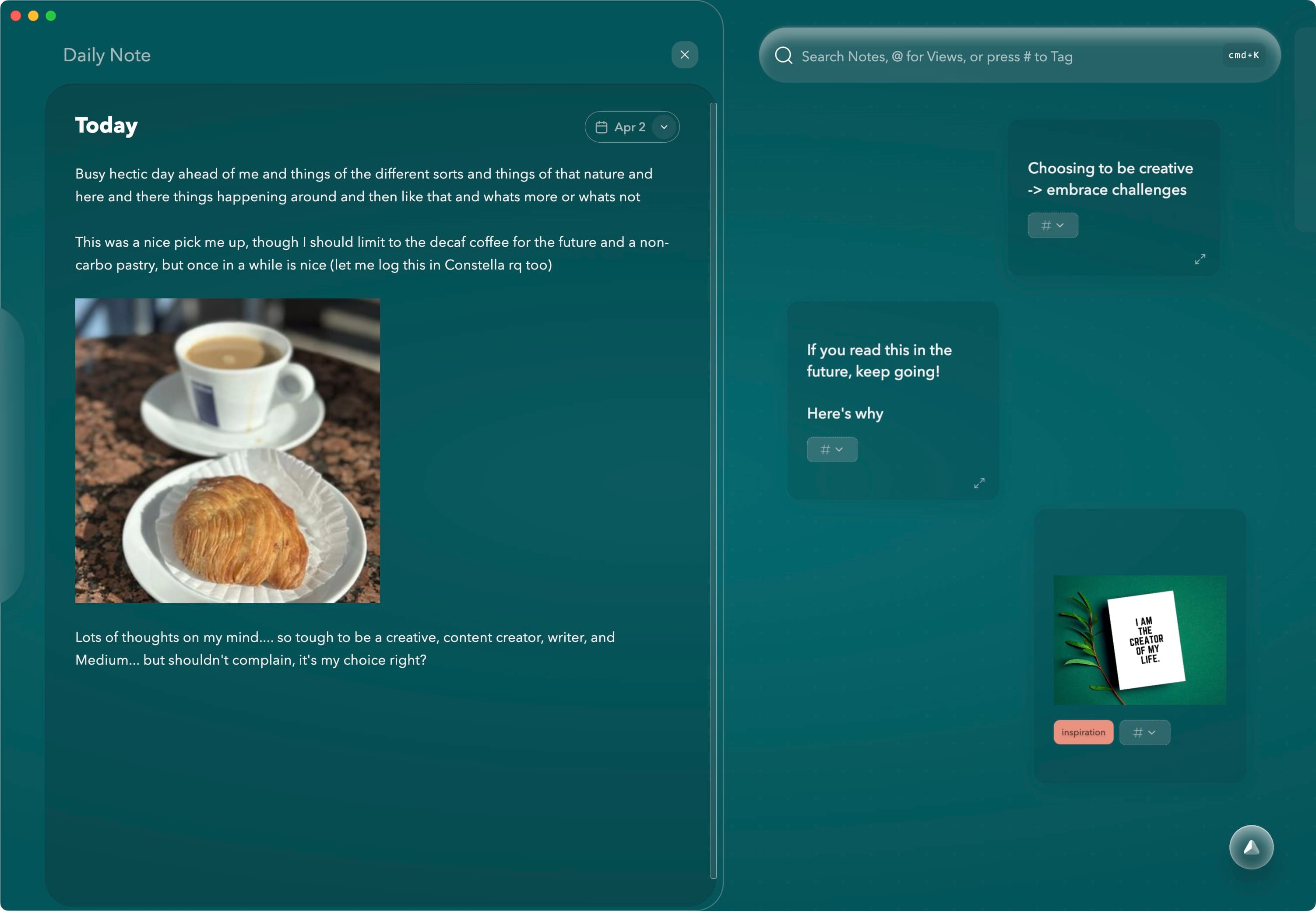
Linking notes is another powerful feature of AI reflection apps. By connecting related journal entries, you can reveal emotional trends and behavioral patterns over time. Imagine tracking your daily mood entries; the app can link similar instances where you felt stressed or happy, helping you identify triggers or recurring themes. This not only enhances self-awareness but also provides valuable insights into how different situations affect your emotional state.
These features make AI-powered journaling tools indispensable for anyone looking to develop their emotional intelligence.
Practical Applications of AI Reflection Apps in Daily Life
Daily reflection app use cases extend far beyond simple note-taking. These tools now adapt prompts based on your mood, encouraging multiple daily check-ins. For individuals managing anxiety or depression symptoms, this kind of mood-adaptive prompting offers a gentle nudge to express emotions as they arise, reducing the buildup of overwhelming feelings.
Key benefits of reflective journaling powered by AI:
- Mood-Adaptive Prompts: Apps analyze language patterns and sentiment, tailoring questions that match your current state—whether you’re feeling low, stressed, or upbeat. This personalization helps you process difficult emotions in real time.
- Multiple Daily Reflections: Short, focused reflections throughout the day foster ongoing self-awareness. Instead of waiting for a single evening entry, you can log shifts in mood or perspective as they happen.
- Continuity Between Therapy Sessions: Many users employ these journal reflection applications as a bridge between therapy appointments. By capturing thoughts and emotional responses regularly, you arrive at sessions with richer insights and specific themes to discuss.
- Self-Care Practice: Consistent reflective journaling becomes part of your self-care toolkit. You develop a habit of checking in with yourself, noticing trends before they escalate into larger issues.
Apps like Constella support these practices by organizing entries intuitively and providing quick access to previous notes—enabling more informed conversations with therapists and deeper personal insight. For anyone seeking tangible ways to nurture emotional health on a daily basis, integrating an AI-powered journal reflection application transforms reflective journaling from an isolated task into an ongoing practice embedded in daily life.
Constella App: A Next-Level Tool for Emotionally Aware Reflective Journaling
Constella.App stands out as an AI note taker and visual graph-based journal app designed to transform reflective journaling into a truly dynamic process. Instead of confining your thoughts to static, linear pages, Constella builds a living network of your reflections—automatically organizing notes and surfacing connections that might otherwise be missed.

Key features that set Constella apart:
- Instant Capture & Offline Access – Quickly jot down notes, images, or files without structure, even while offline. Everything syncs automatically when you're back online.
- AI Smart Retrieval & Stella Assistant – Use the Magic Bar for real-time, context-aware search, and get personalized support from Stella, an on-device AI assistant that summarizes, answers questions, and connects ideas.
- Visual Graph & Thought Mapping – Explore your notes in an infinite, zoomable graph where relationships are revealed through auto-linking or manual drag-and-drop connections.
- Cross-Platform & Flexible Input – Available on desktop, iOS, and Android with support for typed notes, images, links, and to-do lists—all synced seamlessly across devices.
- Import, Export & Highlight Integration – Easily import from tools like Notion or Obsidian, export in Markdown, and connect reading highlights via Readwise—all while keeping full ownership of your data.
With voice input, OCR image recognition, and seamless syncing across devices, Constella adapts to the way you think. Whether you’re processing daily emotions or tracking long-term growth, this AI-powered visual journal app gives you more than just storage—it provides context and clarity right when you need it.
The Future of Self-Awareness with AI-Powered Reflective Journaling Tools
Reflective journaling benefits are expanding rapidly as technology evolves. AI-powered platforms like Constella are shifting the way you approach emotional awareness improvement. Instead of static, linear entries, you now have access to tools that turn your reflections into a living network of self-discovery.
Why explore advanced reflective journaling?
- Instant connections: Notes link automatically, surfacing patterns and insights without tedious manual review.
- Deeper emotional awareness: Smart prompts nudge you past surface-level answers, making each session an opportunity for genuine growth.
- Accessible self-care: Voice notes, image recognition, and intuitive search remove friction—journaling fits seamlessly into your life.
- Continuous learning: Your emotional data becomes more valuable over time, helping you recognize triggers, strengths, and areas for growth.
The most powerful benefit comes from consistency. AI-driven reflective journaling transforms daily thoughts into actionable self-understanding—no extra effort required.
If you’re seeking to cultivate emotional intelligence in a practical way, experimenting with tools like Constella can make the process both accessible and rewarding. Emotional exploration doesn’t have to be solitary or overwhelming; with the right technology, it becomes a guided journey toward greater clarity and balance.
FAQs (Frequently Asked Questions)
What is reflective journaling and how does it enhance emotional intelligence?
Reflective journaling is a practice of examining one's thoughts, emotions, and experiences to foster self-awareness. It enhances emotional intelligence by promoting mindfulness, emotional regulation, and deeper self-reflection, which are essential for personal and professional growth.
What are the benefits of regular journal reflection for personal growth?
Regular journal reflection improves empathy, decision-making, stress reduction, and gratitude cultivation. It supports alignment with personal values and authentic self-expression, facilitating continuous personal development and emotional well-being.
What limitations do traditional journaling methods have compared to modern tools?
Traditional document-based journaling is often confined to linear formats like A4 pages, making it difficult to connect disparate thoughts and ideas. This linearity limits the brain's natural preference for contextual connections processed through networks rather than sequential documents.
How do AI-powered reflective journaling tools improve the journaling experience?
AI-enhanced journaling applications provide personalized guidance with smart prompts that encourage deeper self-inquiry. Features like voice-to-text input, rich formatting options, photo inclusion, and graph-based linking allow richer reflections and better insight into emotional trends and behavioral patterns.
In what ways can AI reflection apps be used in daily life to support emotional intelligence?
AI reflection apps can incorporate mood-adaptive prompting for multiple daily reflections to reduce anxiety and depression symptoms. They also serve as valuable tools between therapy sessions to maintain continuity in self-care practices and promote ongoing emotional awareness.
What makes the Constella App a next-level tool for emotionally aware reflective journaling?
Constella App offers unique features such as automatic note organization, visual graph-based journals for connectivity insights, a magic bar for seamless searching, and effortless drag-and-drop connection drawing. These innovations make emotional exploration accessible, insightful, and aligned with how the brain processes information.
Want more insights like this?
Subscribe to get short productivity tips and useful summaries of new tools every week.
Want more insights like this?
Subscribe to get short productivity tips and useful summaries of new tools every week.